
Battlefield 6: Resurgence, Innovation, and the Evolution of Multiplayer Combat
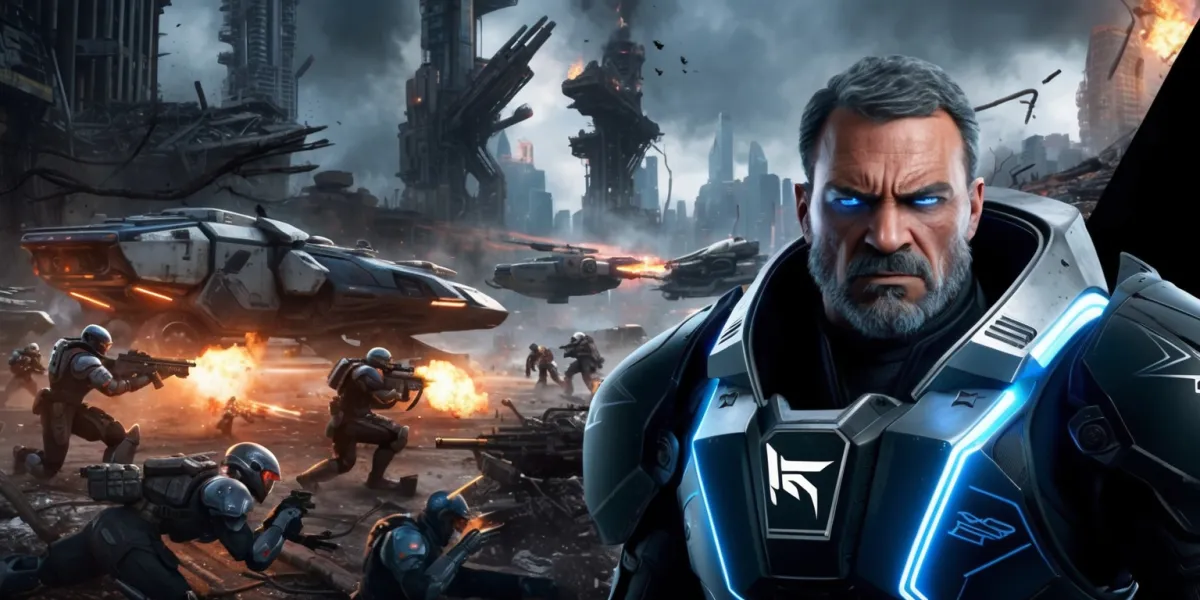
The recent surge in excitement surrounding the latest installment in the franchise has sparked extensive discussion among players, critics, and industry insiders. With the renewed clash of titans in the multiplayer shooter arena, gamers are witnessing a vibrant blend of nostalgia and forward-thinking innovation. The atmosphere is charged with anticipation as Battlefield 6 enters a competitive market long dominated by another perennial heavyweight. As conversations swirl about the merits and shortcomings of each title, stakeholders analyze not just gameplay, but also the subtle nuances in market strategy, aesthetics, and overall functionality. This landscape sets the "a platform for a comprehensive investigation of the" new Battlefield adventure and its multifaceted impact on the competitive gaming ecosystem.
Visions of a Resurgent Franchise
The latest entry in the Battlefield series emerges with a strong sense of purpose and homage to its storied past. Early impressions of Battlefield 6 reveal a return to the classic elements that made previous titles resonate with fans. The development team appears to have embraced a balanced approach by reintroducing player class systems and tactical dynamics reminiscent of Battlefield 3 and Battlefield 4. Its design philosophy, inspired by past successes, seeks to merge historical gameplay elements with contemporary innovations, This process yields a product imbued with a profound sense of nostalgia and refreshing. Actors within the development process, including veterans from competing franchises, bring a unique blend of perspective that fuels creative decisions. The focus on player-centered design aims to re-establish trust with a loyal fan base that was disenchanted by prior missteps.
Market Rivalries and Shifting Dynamics
In the current landscape of premium FPS titles, comparisons have quickly drawn parallels between Battlefield 6 and its perennial rival. Observers note that while Battlefield’s evolving formula has attracted a fervent following, the established legacy of its competitor continues to exert a powerful gravitational pull over a broad audience. Industry analysts point to a market phenomenon where a deep-rooted purchase habit reinforces the dominance of the established brand. Despite the technical and aesthetic merits of Battlefield 6, its ability to capture the immense market share remains subject to the inertia built over decades of brand loyalty. This competitive tension underscores the high stakes involved, as the new release aims to recalibrate player expectations and introduce gameplay enhancements that might eventually shift long-standing consumer habits.
Exploration of Gameplay Design Innovations
The gameplay experience in Battlefield 6 is characterized by a meticulous blend of classic mechanics and modern refinements. Developers have succeeded in creating a dynamic battlefield that encourages strategic teamwork and players’ individual creativity. The reintroduction of a more structured class system offers players distinct roles and abilities, reinforcing the importance of coordination and tactical diversity. Detailed attention has been given to map design, ensuring that spatial dynamics encourage both open confrontation and nuanced, strategic play. Although some feedback mentioned concerns over map sizes and specific modes such as Rush, overall sentiment emphasizes improved balance and a robust framework. Fan reaction has been largely optimistic, as the refined gameplay mechanics afford It delivers a captivating and immersive experience for both seasoned players and newcomers alike versatile combat environment.
The Pulse of Player Engagement and Community Interaction
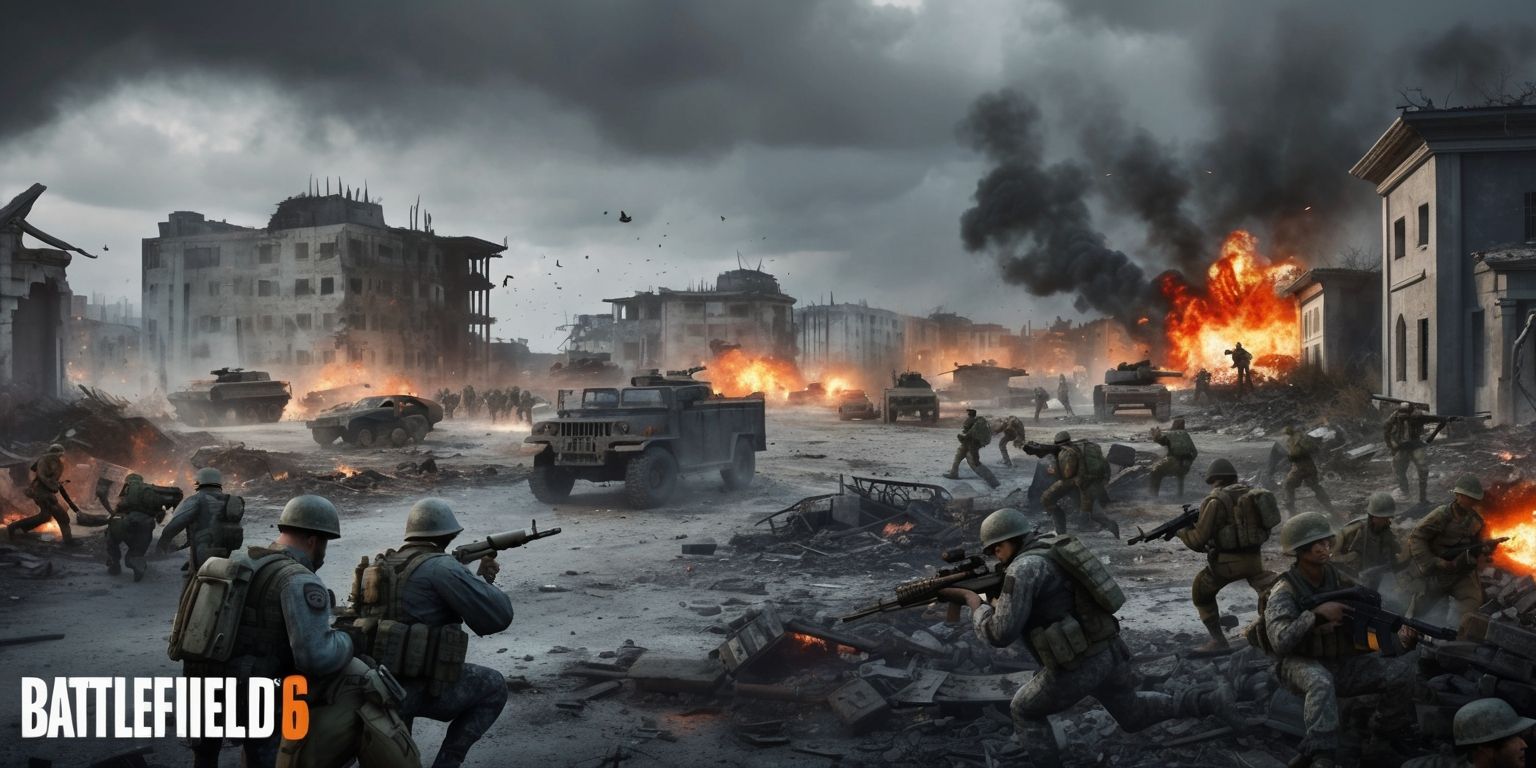
Central to the success of any multiplayer title is the connection forged with its community, and Battlefield 6 appears to be attuned to these conversations. The early beta phase saw an impressive turnout, with millions of players contributing feedback through various online platforms. The developers' keen attention to community input is evident in their restoration of gameplay elements that many long-time fans cherished. In parallel, the inclusion of innovative modes and expressive features has revitalized group interactions and fostered a sense of collaborative competition. The community's lively discussions, rich with both praise and constructive critique, indicate not only a robust engagement with the game’s fundamentals but also an appetite for further enhancements in future updates. This feedback loop plays a critical role in shaping the in-game experience and overall trajectory of the franchise.
Aesthetic and Atmospheric Innovations in Modern Warfare
Battlefield 6 demonstrates a refined approach to visual aesthetics and environmental storytelling that pushes the envelope on digital realism. The game’s artistic design is steeped in both historical references and futuristic technology, creating immersive battlefields that feel authentic and vibrant. The meticulous detail in textures, lighting, and environmental effects contributes significantly to the overall immersion. Players are able to navigate diverse terrains that range from war-torn urban landscapes to expansive, rugged wilderness areas, each rendered with a commitment to visual fidelity and atmospheric depth. This artistic direction not only reinforces the game’s strategic components but also creates an emotional connection for players who appreciate the meticulous design that goes into crafting every virtual detail. The aesthetics act as a powerful complement to the gameplay, ensuring a holistic and engaging experience.
Legacy and Revitalized Concepts in Gameplay
The evolution of Battlefield 6 is not just about new mechanics but also about embracing the legacy of earlier entries. The developers have incorporated elements that many perceive as a return to the franchise's roots, revisiting celebrated features that once defined the series. This revival of familiar mechanics, intertwined with modern technical advancements, is designed to appeal to long-time enthusiasts as well as attract a new generation of gamers. Nostalgia plays a vital role in this strategy, where callbacks to iconic titles are balanced with innovative tweaks that challenge established norms. The refined approach to character abilities and strategic gameplay highlights a conscious effort to balance history with innovation. While the game operates within a fiercely competitive market, it leverages its heritage to differentiate itself, positioning its legacy as both a beacon and a foundation for future evolution.
Community Reactions and In-Game Feedback Dynamics
From the onset, Battlefield 6 has been the subject of robust discussions among gaming communities, with debates focusing on everything from technical performance to core gameplay principles. Early beta testers have contributed an extensive array of feedback, influencing ongoing tweaks and feature upgrades. The consensus appreciates the game’s commitment to reintroducing critical wartime tactics and structured combat scenarios that resonate with fans of earlier generations. Despite the praise, there have been candid critiques targeting certain aspects such as the balance of specific modes and map dimensions. These discussions have created a vibrant ecosystem where both praise and constructive criticism coexist, driving the iterative process that refines the game post-launch. This ongoing engagement not only underscores the game’s complexity but also exemplifies the deep-rooted passion within its fan base for meaningful, community-driven development.
Ecosystem and Cross-Promotion Strategies in a Crowded Market
In a market where cross-promotional dynamics often sway the balance of consumer attention, Battlefield 6 faces a unique challenge in differentiating its ecosystem from that of its perennial competitor. The strategy adopted leverages a mix of traditional sales and next-generation promotional services. Unlike titles that benefit from widespread platform-based inclusions, Battlefield 6’s approach is more narrowly targeted through specialized subscription services. This deliberate strategy intends to tap into a core audience that values quality and game depth over mass-market appeal. Although the competing title enjoys a massive promotional backdrop including popular free-to-play segments, Battlefield is carving out its space by emphasizing depth, legacy, and innovation. The ecosystem surrounding Battlefield 6 fosters a sense of exclusivity and purpose that could positively influence long-term engagement and build a dedicated following, despite the inherent challenges of direct comparison in today's competitive landscape.
Economic Factors and the Shifting Landscape of Game Sales
Among the most captivating stories within this… generation of multiplayer shooters concerns the economic implications and shifting market dynamics. Early reports suggest that—even if Battlefield 6 achieves strong financial performance—the sales figures may still be overshadowed by the entrenched purchasing patterns associated with its competitor. Market analysts observe a deep-seated consumer behavior where established buying habits ensure the dominance of well-known brands. Additionally, recent initiatives to integrate popular titles within subscription models are reshaping perceived value. Battlefield 6’s traditional sales model contrasts with a competitor’s strategy that benefits from the ease of access provided by subscription services. This divergence in economic models creates a complex competitive environment, where the success of each title will be judged not only on quality and innovation, but also through the lens of evolving purchasing trends and the economic realities of game distribution in the modern era.
Insights on Future Competition and Industry Impacts
The arrival of Battlefield 6 in the market is poised to stimulate a broader dialogue about future competition in the FPS genre. Its introduction functions as a driving force behind prospective shifts in development tactics and market strategy within the entire industry. Observers note that while one title continues to dominate in sales volume, the infusion of innovative gameplay, community responsiveness, and refined mechanics in Battlefield 6 could set in motion a gradual shift in player allegiance and industry standards. A cross-pollination of ideas between competing franchises may well influence future iterations of both games, raising the overall bar for quality and fan expectations. This competitive interaction encourages developers to refine their mechanics, narrative styles, and promotional campaigns, potentially igniting a cycle of innovation that benefits the gaming community as a whole. Each new release becomes a stepping stone toward more ambitious goals in the evolving landscape of digital entertainment.
-

- Ava Martinez 05 Jan 2026