
Cell Survivor: Mastering Tactical Adaptability in a Viral Arena

The world of Cell Survivor is a relentless battleground where precision, timing, and strategy rule the day. Players find themselves maneuvering through a labyrinth of viral threats and intricate weapon systems that demand careful planning. At advanced stages of the game, developers have carefully balanced gameplay so that nothing is ever taken for granted. Every choice made in the heat of battle—whether it is a quick decision on which weapon to deploy or a strategic pause to reassess the enemy’s pattern—can make all the difference. In this dynamic environment, understanding the subtle intricacies of each tool at your disposal is vital to overcoming ever-growing threats.
Innovative Combat Mechanics in a Viral Arena
Cell Survivor’s combat system is a blend of ingenious mechanics and thematic design that makes every encounter unique. The game challenges players by pitting them against high-level virus bosses that consist of segmented entities with enormous health pools. Movement, attack speed, and countermeasures create an interplay where every weapon has its ideal moment to shine. In this arena, the timing of an attack and the way damage output is managed play crucial roles. The interplay between raw damage and scaling potential forces players to adjust their strategies in real time. Beyond simply matching power with enemy strength, the game rewards careful planning and the computed risk of using tools that adapt to evolving in-game circumstances.
Understanding the Hierarchy of Armament Effectiveness
Central to mastering Cell Survivor is the ability to choose weapons that are tailored to different scenarios. A tier system has been established to classify each tool based on key factors such as damage output, ability to scale with player progress, and late-game functionality. For instance, weapons in the highest tier, identified as S+ and S, showcase exceptional performance metrics: they deliver impressive raw damage and incorporate percentage-based features that become vital once confronting enemies that absorb flat-damage attacks. These distinctions are not arbitrary but derived from extensive testing and analytical scrutiny of every skill combination available in the game. Such a hierarchical approach empowers players by clearly outlining which armaments can be trusted in the direst situations.
Adapting Tactics Against Formidable Viral Foes
Players who have journeyed past the mid-game quickly discover that challenges intensify dramatically in the later stages. Viral bosses develop vast reservoirs of health that demand more than just brute force. In these scenarios, relying solely on flat-damage strategies becomes increasingly ineffective. Instead, execution mechanics and percentage-based damage attacks take precedence, offering a way to bypass the limits imposed by sheer enemy resilience. The game’s design requires players to shift strategies, blending precise timing with adaptive weapon usage to overcome bosses that are built to absorb relentless punishment. This shift not only enhances the tactical depth but also reinforces the importance of selecting the right arsenal for every encounter in the ever-evolving battlefield.
Balancing Damage Types: Flat vs Percentage-Based Impacts
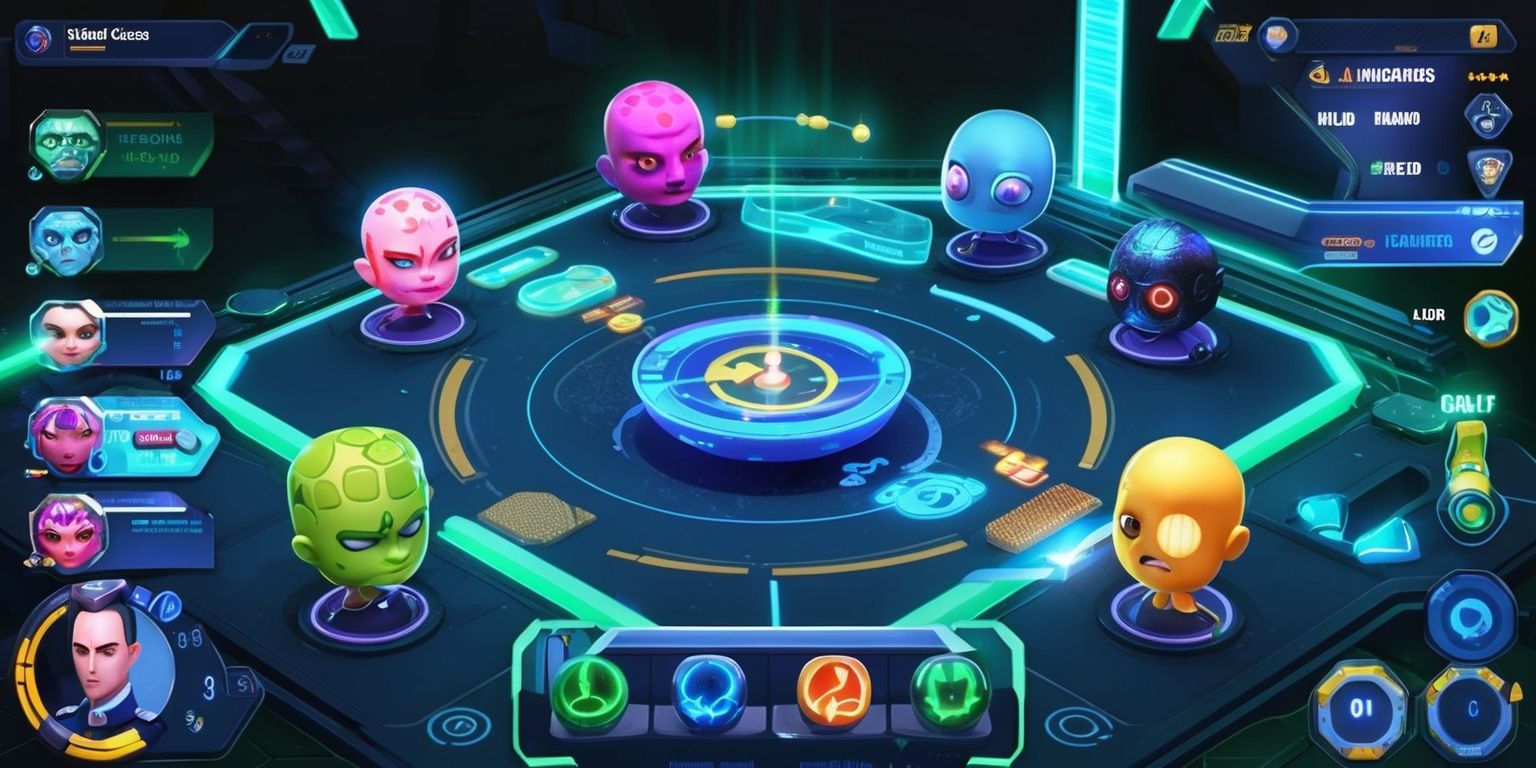
One of the standout features in the weapon system of Cell Survivor is the careful balancing of damage types. Early-game scenarios may be adequately managed with flat-damage armaments, but as the threat level escalates, those weapons may fall short. In late-game stages, where opponents possess layers of robust defenses, percentage-based and execution-centric weapons become critical. This shift in strategy underlines the game’s commitment to rewarding skill and planning over sheer power. Players must decide which weapons best combine the immediate satisfaction of high initial damage with the long-term reliability needed to chip away at resilient foes. This design philosophy encourages players to develop deeper insights into each tool’s mechanics, making every tactical decision a crucial step toward victory.
Harnessing Execution Mechanics for Precision Attacks
Execution mechanics in Cell Survivor add an extra layer of strategic depth by allowing certain weapons to bypass traditional damage thresholds. This technique is especially crucial when confronting foes with hefty health reserves or layered defensive mechanisms. By integrating execution Integrating these mechanics, the game enables players to… finish off adversaries more efficiently when conditions are optimal. These mechanics complement the overall design ethos within the match, where every moment is crucial and every weapon has a role defined not just by raw output but also by the conditions it thrives under. Understanding when and how to trigger these precision attacks can be the difference between stalling under pressure and making a decisive breakthrough during the most challenging confrontations.
High-Stakes Encounters with Virus Bosses
Encountering boss segments laden with high HP and advanced defensive attributes is a hallmark challenge in Cell Survivor. As players progress, the virus bosses Consider this alternative: "grow not merely in scale but also in." complexity. At these levels, each battle becomes a carefully choreographed dance, where timing, positioning, and the choice of weaponry converge to determine the outcome. The heightened challenge necessitates a dual focus: recognizing when to switch from one category of weapon to another and comprehending the interplay of special effects that certain skills provide. These boss encounters are more than mere obstacles; they are an immersive test of overall competence, design ingenuity, and the fine-tuned balancing act that the game consistently delivers through its multifaceted weapon system.
Stage-Specific Weaponry and Tactical Environments
Cell Survivor emphasizes the significance of adapting to the tactical environment through the use of stage-specific weaponry. Certain tools, such as the agile Medical Tower or the versatile Spinning Dagger, perform optimally in stages where the viral threat closes in rapidly, creating a more confined and frenetic combat experience. In contrast, weapons like the Sterile Swab maintain stable performance across various scenarios, thereby becoming invaluable assets for consistent damage output regardless of enemy proximity. This engagement strategy requires players to have a nuanced understanding of their surroundings and the specific demands of each level. It is through this adaptive gameplay that players are invited to assess, refine, and ultimately master the intricacies of both their environment and the expansive array of available weaponry.
Experimenting with Weapon Synergies and Combos
Among the most captivating features of Cell Survivor is the capacity to experiment with a broad range of weapon synergies and combinations. The game encourages players to traverse beyond standard builds and trial innovative pairings of weapons to find the optimal balance. As various tools offer unique attributes—from rapid scaling to steadfast execution effects—players are required to test and hone their tactics continuously. Experimentation is rewarded through a deeper understanding of how different weapons amplify or complement one another, transforming combat sequences into a dynamic interplay between offensive onslaughts and strategic retreats. This exploration of synergies fosters not only a personalized playstyle but also a more rewarding progression, as every victory reinforces lessons learned about the nuanced calibrations of weapon effectiveness.
Visual and Functional Aesthetics of Armaments
Beyond their tactical significance, the weapons in Cell Survivor are crafted with a keen eye for both visual and functional aesthetics. Each armament is designed to embody a unique theme, often inspired by elements of medical technology mingled with fantastical reinterpretations. The striking visual effects that accompany weapon usage not only serve a practical function by indicating damage type and effectiveness but also elevates the entire gaming experience by immersing immerses players into an intricately crafted realm where every nuance carries weight. The intricate designs, precise animations, and thematic color palettes collectively transform what could be mere game tools into vibrant extensions of the player’s character and strategy. This emphasis on aesthetics reinforces the game’s broader commitment to merging function with an engaging and immersive artistic vision.
Precision, Timing, and the Art of Countering Threats
In Cell Survivor, the art of countering threats is not solely dependent on the weapon’s inherent power; it also hinges on the player’s ability to discern the proper moment to deploy a given tool. The game constantly pushes players to refine their sense of timing, urging them to balance between overwhelming offense and critical defensive maneuvers. This nuanced approach means that even widely available weapons have moments in which they shine, provided that their deployment coincides with the specific vulnerabilities of the enemy. The importance of precision is magnified in critical battles where each moment of hesitation can contribute to a rapidly evolving threat. Consequently, mastering this delicate interplay between strategy and execution is a rewarding challenge that continually transforms how players approach each level of combat.
Strategic Adaptability Through Weapon Mastery
The evolving meta in Cell Survivor is a testament to the game’s layered approach to difficulty and skill mastery. In an environment where neither challenges nor enemy behaviors remain static, players must constantly adapt by refining their weapon choices and combat strategies. The tier-based classification system serves as a roadmap that highlights which weapons are most effective in specific circumstances, allowing players to prepare for the changing tempo of battles. Strategic adaptability is nurtured through an intricate balance of weapon attributes, battlefield positioning, and resource management. By learning to pivot quickly—for instance, switching from a high-damage but static weapon to one with dynamic, percentage-based effects—players embrace a form of gameplay where every engagement becomes a test of both instinctual reaction and thoughtful planning.
Integrating Medical Themes and Tactical Utility
At its core, Cell Survivor is an inventive synthesis of medical motifs and high-octane combat. The game’s distinctive array of weapons is deeply rooted in a medical theme, reimagining ordinary healthcare tools as instruments of survival and tactical prowess. This creative redesign not only bolsters the game’s narrative but also injects each weapon "imbued with a drive that reaches well beyond" conventional damage calculations. Items like the Large Scalpel or the Defibrillator are transformed in the in-game universe into potent devices that serve as vital extensions of the player’s arsenal. Their dual role—both as practical combat tools and as symbols of a surreal medical battleground—elevates the entire gaming experience, offering players a richly textured world where every detail serves to immerse and challenge in equal measure.
-

- Mariana Rocha 05 Apr 2026