
Evolving Shadows: A Journey Through Arkham Horror’s Card Game Universe
The evolution of Arkham Horror in its card game form has captured the imagination of both new players and longtime devotees of the Lovecraftian mythos. Venturing into mysterious streets and encountering fiendish adversaries, enthusiasts have found a new doorway into a world of challenging decisions, atmospheric storytelling, and ever-unfolding enigmas. This iteration brings an infusion of fresh narrative twists and gameplay mechanics, building upon decades of rich tradition from earlier board game incarnations. Each element has been meticulously designed to weave together strategic planning, collaborative problem-solving, and a deep immersion into the eerie secrets of Arkham—a realm where every choice can define your fate.
Mysteries and Narrative Threads
Arkham Horror: The Card Game encourages players to dive into an engaging and intricate tale where untold mysteries lurk behind every corner. The design of the game masterfully intertwines story elements with gameplay mechanics, Introducing an experience that is equally centered on Feel free to adjust further if needed to perfectly fit your sentence narrative discovery as strategic maneuvers. Each card, clue, and decision echoes the Lovecraftian tradition, creating an atmosphere charged with tension and uncertainty. The lore is expansive, and the various campaigns build upon this mythology, allowing seasoned players to reconnect with familiar themes while also exploring uncharted territories. With each session, players uncover layers of a haunting tale where the boundaries between sanity and madness blur, and every choice propels the story forward in unpredictable ways.
Dynamic Gameplay and Immersive Mechanics
At the core of Arkham Horror: The Card Game is a dynamic gameplay structure that blends competitive strategy with cooperative investigation. Players engage in sessions where each decision matters, affecting not only the outcome of individual scenarios but also the long-term trajectory of the overall campaign. The game emphasizes teamwork, requiring investigators to balance risk with cautious planning. With mechanics that introduce elements such as status effects and evolving challenges, the experience is never static. This fluidity obliges players to continuously modify their approaches, regardless of whether they are navigating treacherous locations or managing an ever-shifting series of objectives. The anticipation of unforeseen twists and the constant need for quick thinking create An immersive gaming adventure that captivates players while stimulating their minds demanding.
Personalized Investigators and Character Depth
The inclusion of tailored characters brings an intimate layer of strategy to the game. Each investigator, represented by a preconstructed deck, comes with its own set of skills and abilities that define their journey through the dark alleys of Arkham. Gamers have the opportunity to either use these ready-made configurations or customize their decks as they gain experience during the campaign. This individualistic "Strategy for character evolution cultivates an atmosphere of" personal attachment and investment in the storyline—players can feel the impact of each card change as it alters the investigator's potential to tackle evolving threats. The diversity among classes, such as guardians, seekers, mystics, rogues, and survivors, ensures that every group has a balanced array of talents to draw upon, deepening both strategy and re-playability.
Evolution of Campaign Content
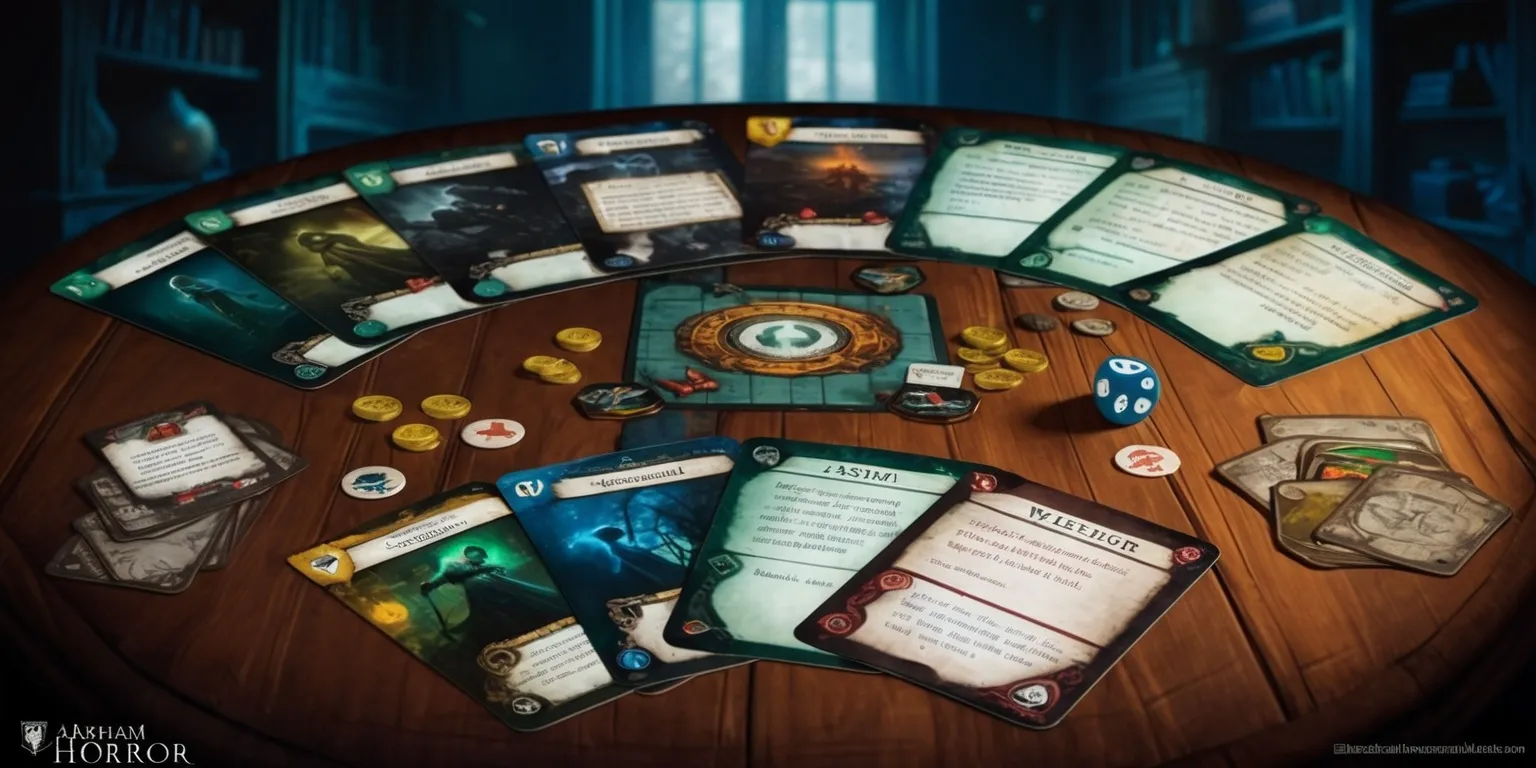
The latest campaign, often known by enthusiasts as Chapter Two, presents a rich tapestry of scenarios that challenge both strategic thinking and narrative consistency. Set a few months after previous events, the new storyline called Brethren of Ash unravels in a world scarred by impending doom and enigmatic adversaries. As players race against time in treacherous locations awash with danger, every move counts. The campaign introduces innovative elements like the Doomed keyword, which adds a tangible sense of urgency by marking critical moments on the game board. This fresh layer of tension compels players to constantly re-evaluate their strategies. Although the scenarios might appear straightforward at first glance, their underlying complexities Guarantee that every session brims with unanticipated surprises twists, driving a deeply engaging narrative experience.
Artistic Expression and Visual Impact
Visually, Arkham Horror: The Card Game impresses with its richly detailed artwork that breathes life into its eerie universe. Every card, token, and component is carefully rendered to evoke the unsettling atmosphere synonymous with Lovecraftian lore. The design decisions go beyond simple embellishment; they function as visual markers that enhance the thematic depth and immerse players further into the game’s dark narrative. The artwork captures both the thrill and the dread of exploring forgotten corners of Arkham, with each image meticulously crafted to invite speculation and reflection. This level of visual coherence not only heightens the overall gameplay experience but also transforms the game into a work of art. The occasional subtle changes in design, such as improved imagery on guidance cards or location indicators, serve to accentuate the narrative’s unfolding drama and keep players engaged on multiple sensory levels.
Strategic Decision-Making Under Pressure
Central to the game’s appeal is its inherent demand for incisive decision-making in the face of ever-mounting pressure. Players are continually confronted with challenging choices that can dramatically alter the course of investigation. In Arkham Horror: The Card Game, the interplay between immediate tactics and long-term strategy is finely balanced, demanding both foresight and adaptability. Tactical decisions are intertwined with narrative contingencies, meaning that every move has narrative consequences—whether it be a new card drawn, a location explored, or overcoming adversity through calculated teamwork. This multifaceted approach pushes players to constantly weigh risk against reward, ensuring that each session is as mentally stimulating as it is thematically engaging. The continuous need to adapt strategies based on evolving circumstances keeps the gameplay fresh and unpredictable throughout the campaign.
Customization and Deck-Building Nuances
The customizable nature of each investigator’s deck lies at the heart of the game’s long-lasting appeal. While the game offers preconstructed decks to ease new players into the experience, it also provides a robust framework for those who wish to fine-tune their strategies and adapt as the campaign unfolds. As players progress through sessions, their decks evolve, incorporating experience points to purchase and incorporate new cards. This system does not conform to traditional deck-building formulas; instead, it emphasizes deck management—ensuring each card is purposefully selected to amplify an investigator’s strengths or mitigate inherent weaknesses. Players are encouraged to experiment with creative combinations, fostering an environment of strategic innovation where no two decks are exactly alike. Over time, the evolving decks serve functioning as a comprehensive ledger of successes and a testament to the game's deep strategic roots.
Enhanced Production Quality and Component Design
From a production standpoint, the recent edition of the core set showcases refined component design and improved production quality. Despite slight variations in size and packaging compared to earlier iterations, every effort has been made to maintain functional excellence. The inclusion of familiar cardboard tokens, coupled with newly designed punch boards and location arrows, speaks volumes about the attention to detail. Even subtle enhancements, such as upgraded imagery on the rulebook and clearer visual cues on cards, serve to streamline the learning curve and enrich the tactile experience of the game. The thoughtful design choices reflect a deep understanding of both casual and hardcore gamers, emphasizing clarity and ease of use without detracting from the overall aesthetic appeal. These enhancements combine function with form, ensuring that every physical component contributes to the game’s immersive atmosphere.
Game Mechanics That Drive Tension and Excitement
The mechanics introduced in Arkham Horror: The Card Game are elegantly designed to elevate tension while maintaining engaging pace throughout each session. Among its most notable qualities is the ingenious application of… tokens, which serve to represent the progress of narrative elements and the looming presence of encroaching threats. This system introduces an additional layer of challenge where every decision contributes to a ticking clock effect. As players navigate complex scenarios filled with potential hazards, the game demands a careful balance between advancing the storyline and managing immediate tasks. Each card play or tactical maneuver resonates with significance, ensuring that the threat of overwhelming odds is a constant reminder of the stakes involved. This intricate dance between resource management and narrative progression underscores the game’s capacity to consistently deliver a gripping, adrenaline-pumping experience.
Community Influence and Adaptive Gameplay
Throughout the years, input from the community has been a crucial factor in molding the… evolution of Arkham Horror: The Card Game. Developers have actively engaged with players, incorporating suggestions and addressing concerns that enhance both the functionality and overall experience. This iterative process has resulted in more intuitive rulebooks, refined gameplay components, and mechanics that more accurately reflect the challenges envisioned in the original Lovecraftian tales. The game encourages creative approaches to problem-solving and offers pathways for evolving strategies, regardless regardless of whether one is entirely new or well-established long-standing enthusiast. Consequently, each new release feels Uniquely innovative yet comforting—a tribute to the developers’ ability to maintain the core experience while adapting to the evolving tastes and insights of a dedicated gaming community. The responsive design approach continuously enriches gameplay and validates player creativity.
Atmospheric Immersion and Social Engagement
The unique blend of narrative immersion and strategic engagement in Arkham Horror: The Card Game makes It stands out as the perfect focal point for any social gathering. Whether you're hosting an intimate dinner or a lively party, its appeal is undeniable played among friends in a cozy setting or during an enthusiastic game night, the game effortlessly draws people together through its compelling storytelling and interactive challenges. The group dynamics fostered by cooperative gameplay mean that every participant plays an integral role in shaping the unfolding drama. Such social Social exchanges elevate the entire experience, transforming every session into a communal journey deep into the core of a richly imaginative world. The tactile satisfaction of handling intricately designed cards, coupled with the visual storytelling etched into every component, creates a multi-sensory Encounter that offers both a warm personal connection and a broad, far-reaching scope. In this way, Arkham Horror transcends a mere game to become a social ritual filled with suspense, camaraderie, and collective problem-solving.
-

- Mariana Rocha 05 Jul 2026