


Get Death of a Unicorn

Screenshots



A Journey into the Mythical Abyss
I found myself unexpectedly drawn into the enigmatic world of Death of a Unicorn Movie. From the very opening scene, I sensed that this would be no ordinary cinematic experience. The film effortlessly merges the fantastical with the surreal, creating a narrative that is equal parts mesmerizing and mysterious. As I sat in front of the screen, I felt as if I had been transported to a realm where dreams and reality coexist in a delicate balance. The ancient wistfulness and rebellious modernity intertwined throughout the film resonated with my innermost thoughts, stirring a cascade of memories and emotions that I had not anticipated.
My first encounter with the film’s title evoked a personal blend of curiosity and trepidation. I was intrigued by the irony and contradictions in the name itself. The phrase suggested both beauty and decay, life and impending demise, prompting me to wonder how the narrative would navigate these dualities. Once the film unfurled its layered storytelling, I found myself immersed in profound dialogues and unexpected visual allegories that challenged my perceptions of myth and morality.
Mesmerizing Visual Landscapes
One aspect of Death of a Unicorn Movie that immediately captivated me was the visual artistry. Each frame appears to have been meticulously painted with a blend of vivid colors and muted tones that seem to breathe life into both the characters and the shadowy landscapes they inhabit. The juxtaposition of fantastical elements with realistic textures provided me with a rare glimpse into a world where the boundaries of nature and imagination blur seamlessly.
As I continued watching, I observed how every scene was carefully composed to evoke a sense of wonder and introspection. The cinematography carried me on an unanticipated journey through enchanted forests, dilapidated urban environments, and surreal dreamscapes. The camera’s fluidity and the deliberate pace imbued every moment with a sense of purpose and urgency, drawing me deeper into the film’s layered narrative. I marveled at the way the artwork on the screen enveloped me in its atmosphere, challenging me to perceive beauty in decay and hope in despair.
The Enigma of the Plot
The narrative structure of Death of a Unicorn Movie is a labyrinth of symbolism and intricate storytelling. As I watched, I became increasingly aware of the film's refusal to be pigeonholed into traditional genres. Instead, it embraces an audacious approach that oscillates between allegorical romance, existential drama, and elements of dark fantasy. Every twist and turn of the plot was presented as an invitation to question the nature of existence and the inevitability of transformation.
The film’s storyline challenges the viewer to piece together seemingly disparate elements into a cohesive tapestry of meaning. I found myself consciously dissecting every dialogue, every glance, and every silent moment, attempting to uncover hidden layers that might reveal the film’s deeper message about the cycle of life, the loss of innocence, and the transient nature of beauty in an ever-changing world. This process, at times overwhelming yet deeply satisfying, allowed me to interact with the narrative in a uniquely personal way that left a lasting impression.
The Pulse of the Soundtrack
The movie’s soundtrack works like an ethereal undercurrent that guides the audience through its mystical tale. I was pleasantly surprised by how harmoniously the orchestral melodies, ambient tones, and haunting vocalizations synchronized with the visual narrative. Each musical note was infused with emotion, acting as both a storyteller and a silent observer to the unfolding drama on screen.
During the quieter moments, the music provided a delicate, almost imperceptible commentary that enriched my experience. It seemed to speak directly to emotions that were otherwise left unexpressed by the actors. In moments of tension, the ever-present hum of the background score heightened my anticipation and deepened my engagement with the unfolding mystery. I found my senses sharpened by the intricate interplay between sound and image, which seemed to echo the film’s constant dance between reality and fantasy.
Performances of Subtle Brilliance
One of the most striking features of Death of a Unicorn Movie is the compelling performances delivered by its cast. The protagonists are not overly dramatized but are instead portrayed with a deliberate subtlety that invites introspection. Each actor seems to serve as an extension of the narrative itself, conveying complex emotions with a measured intensity that left me both enchanted and introspective.
I particularly appreciated moments when the characters communicated through mere expressions or small gestures rather than verbose dialogue. There were instances when an actor’s inward gaze or a fleeting smile carried the weight of profound loss or overwhelming hope. These moments, immersed in quiet intensity, allowed me to connect authentically with each character's inner journey. Their understated portrayals lent the film a sense of gravity and sincerity, transforming the fantastical into something palpably human.
A Symphony of Symbolism and Allegory
The film is replete with symbolism that interweaves cultural myth with contemporary reflections. I was struck by how traditional mythical elements, such as the titular unicorn, were reimagined in a narrative framework that challenged conventional lore. Instead of presenting myth as a relic of the past, the film positions it as a living, breathing entity that interacts dynamically with modern themes of love, loss, and the passage of time.
One memorable scene featured the unicorn in a light both ethereal and sorrowful, evoking a sense of noble tragedy. I interpreted this as a metaphor for the ephemeral nature of beauty and innocence in a world dominated by relentless change. The narrative’s layered intertextual references called to mind literature, art, and ancient legends, enticing me to explore connections with my own personal journey. Every symbolic gesture, every allegorical moment pushed me to reconsider my understanding of myth as not merely fantastical, but as a profound commentary on the human condition.
The Nuances of Cinematic Direction
The director of Death of a Unicorn Movie demonstrates a mastery of visual storytelling that is rarely seen in contemporary films. I was particularly impressed by the director’s ability to invite viewers into a narrative without straightforward exposition. The film is constructed in a manner that feels both spontaneous and meticulously planned, allowing each scene to breathe on its own while also contributing to the overall mosaic of the story.
Throughout the viewing experience, I found that the deliberate pacing and the measured buildup of tension allowed each plot twist to resonate more deeply with my emotions. The director’s choice to intersperse moments of high drama with periods of quiet reflection created a rhythm that was as unpredictable as it was captivating. I felt as if I were navigating an intricate dance where every movement was visually and emotionally significant, encouraging me to linger on each detail long after the scene had passed.
Artistry in Costume and Set Design
In Death of a Unicorn Movie, every element of costume and set design seems to have been crafted to perfection. I was astounded by how the costumes not only complemented the narrative but also contributed substantially to the film’s overall thematic fabric. The garments worn by the characters were emblematic of their inner worlds, each piece telling its own story of transformation and identity. Rich textures, unexpected color palettes, and intricate patterns merged to create an immersive visual experience that captivated my attention.
The sets themselves ranged from the opulent to the decaying, producing a visual spectrum that perfectly matched the dual nature of the film’s themes. Whether I was witnessing opulent ballrooms lit by flickering candelabras or wandering through abandoned landscapes that harked back to forgotten eras, I felt as if every visual element was painstakingly chosen. The physical spaces portrayed on screen were imbued with a sense of history and latent emotion, evoking a feeling of being in a living museum where the passage of time was palpable in every crack and crevice.
Complex Emotional Currents Unleashed
One of the most engaging aspects for me was the emotional depth that permeated every scene. Death of a Unicorn Movie is not simply a story to be watched; it is an emotional odyssey that invites me to confront my own vulnerabilities and inner conflicts. The film manages to evoke an array of feelings ranging from melancholy and introspection to bursts of uncontrollable passion and ephemeral euphoria.
There were moments when silence spoke louder than words, and the unspoken tension between characters resonated with raw, unfiltered emotion. I experienced an almost cathartic release as the film drew me into its emotional vortex. Each emotional nuance was presented with a clarity that cut through the pretense of a purely fantastical narrative, grounding me in the reality of the human experience. The interplay between personal loss and universal hope was felt deeply, as though the film had tapped into the collective heartbeat of all who have ever experienced profound change.
Intellectual Undertakings and Narrative Layers
I was continually intrigued by how the film encouraged me to engage intellectually with its narrative. Death of a Unicorn Movie does not shy away from complex themes; rather, it immerses the viewer in a labyrinth of ideas that span existential musings, philosophical debates, and introspective self-discovery. Every conversation, every symbolic gesture in the film prompted me to re-examine my own thoughts and beliefs about destiny, love, and the inherent beauty of impermanence.
The narrative structure is deliberately non-linear, inviting me to piece together fragmented memories, historical allusions, and futuristic warnings within a unified framework of artistic expression. This labyrinthine approach to storytelling demanded an active participation—a mental journey that I willingly embarked upon. I found myself pausing frequently to contemplate the layers of meaning behind a single glance or an evocative phrase. In this way, the film serves as a catalyst for introspection, pushing its audience to explore the nuances of their own lives while grappling with the weighty themes that it presents.
An Immersive Journey of Transformation
Throughout the viewing experience, Death of a Unicorn Movie compelled me to reimagine the process of personal transformation in ways that defied conventional cinematic tropes. It was as though the film itself was a mirror, reflecting my own evolution and challenging me to think about growth as a series of dramatic, sometimes unsettling shifts rather than a gentle progression. Each scene offered a glimpse into the kaleidoscopic nature of change, where loss and blossoming beauty exist in a precarious balance.
The characters in the film undergo transformations that are both internal and external, shaping their destinies with choices that echo through time. I found the journey of these characters to be deeply symbolic—each decision carrying the weight of history and the promise of renewal. There is a palpable energy in the way the narrative unfolds, a commitment to not merely depict transformation but to celebrate its complexity and inherent unpredictability. I was drawn into this dynamic interplay, where every moment of despair was counterbalanced by the potential for rebirth, a resonates theme that urged me to look at my own life with renewed perspective.
In these moments, the film challenged my perceptions of what it means to change and evolve. It invited me to embrace the paradoxical coexistence of joy and sorrow, casting transformation as a necessary, albeit turbulent, passage. The imagery—a unicorn bathed in the glow of twilight, a character emerging from a veil of shadows—served as both a metaphor and an affirmation of life’s constant motion. I felt that within this journey, there was a tender invitation for each of us to learn, to adapt, and ultimately, to find beauty in the process of becoming.
A Tapestry of Existential Reflection
The film’s narrative is woven with threads of existential reflection that spoke to many of my hidden contemplations. Throughout the unfolding drama, I was struck by the persistent inquiry into the nature of reality and the human condition. The story does not simply follow a linear path; instead, it challenges the viewer to confront deep-seated questions about the meaning of existence and the inevitability of change. Every scene felt like a dialogue with my own inner voice, pushing me to ponder the mysteries of life and the complexities of fate.
During the film, several sequences forced me to question how I perceive the dualities in my own life. In one particularly striking scene, the interplay of light and shadow served as a powerful metaphor for the struggle between hope and despair—a struggle that I had often wrestled with in moments of uncertainty. The artistically rendered dialogues, laden with philosophical undertones, served as a meditation on the passage of time and the transient nature of every emotion. As the narrative unfolded, I found myself not merely watching a story but engaging in an intimate, introspective conversation with the film’s myriad symbols and allegories.
Each frame seemed to whisper a secret about the human soul, a secret that resonated deeply within me. I discovered that the film’s beauty lay in its refusal to offer easy answers; it instead celebrated the ambiguity of existence. In doing so, it created an intellectual space where I could reflect on the paradoxical beauty of life—a symphony of moments that are as ephemeral as they are eternal.
Dialogue and the Art of Expression
The film’s dialogue deserves special mention for its poetic quality and measured cadence. I found that the conversations between characters carried a lyrical rhythm that elevated the narrative, making each word seem deliberate and essential. The dialogue is crafted to reveal the inner lives of the characters gradually, peeling away layers of pretense to expose raw, unguarded emotions. I appreciated how every spoken line danced gracefully between the explicit narrative and the subtle insinuations of unspoken truths.
Certain exchanges left an indelible mark on me, as they encapsulated the delicate tension between individual desire and collective destiny. I was particularly moved by moments where the dialogue resonated with a somber beauty, evoking the timeless struggle between living in reality and chasing the illusions of a forgotten dream. In these brief interludes, the film urged me to listen more intently—to hear not just the words, but the silent currents flowing between them. The careful balancing of dialogue and silence crafted a narrative that transcended the mere mechanics of storytelling, inviting me into a deeper realm of emotional and intellectual engagement.
Functionality of the Narrative Constructs
Beyond its aesthetic achievements, Death of a Unicorn Movie impresses with its innovative narrative functionality. As I navigated through its labyrinthine structure, I marveled at the underlying mechanics that govern its storytelling. The film seamlessly integrates nonlinear storytelling techniques while maintaining a coherent narrative thread, a feat that demands both creativity and technical prowess. Every plot device, from the subtle flashbacks to the dreamlike sequences, is designed to keep the audience alert to the unfolding mystery.
This functional approach to narrative construction is particularly effective in compelling me to look beyond traditional cinematic boundaries. I was engaged not only by what was shown on screen but also by what lay beneath: hidden cues, symbolic fragments, and deliberate pauses that served as invitations for reflection. The narrative functions as a sophisticated puzzle—one that challenges me to form connections between seemingly isolated scenes and thematic motifs. I appreciated the film’s insistence on rewarding the viewer’s attention, offering layers of meaning that gradually reveal themselves as one becomes more immersed in its unique world.
In this way, the movie encourages me to perceive storytelling as an evolving conversation with time, memory, and the subconscious. Each element of the plot contributes to a broader discourse on how stories
Latest on blog
-
 Knight Cookie: Confectionery Valor Meets Tactical Brilliance
Embarking on an exploration of CookieRun: Crumble Knight Cookie introduces a world where confectionery charm meets strategic gameplay. The character known as Knight Cookie emerges not only as a stout tea soldier but also as an essential asset in early defensive lineups. His presence weaves together delicate aesthetics and impressive utility, creating a balance between form and function. As players traverse the narrative and tactical challenges of the game, Knight Cookie’s capabilities evolve from basic defense to a synergistic damage driver when combined with other characters. Intricate details concerning his armor, inspired by solid white chocolate and an elegantly frothy milk foam helmet, speak volumes about the imaginative design language behind the game. Every swing of his sword is a testament to his underlying loyalty and valor without ever revealing a shallow identity.
A Gallant Fighter with a Tasty Heritage
Knight Cookie stands out as a charming embodiment of bravery, combining playful culinary imagery with tactical prowess. Clad in armor reinforced by sumptuous white chocolate and crowned with a distinctive milk foam helmet, he exudes an air of gallantry that transcends typical in-game characters. His design is a mix of audacious style and battle-ready readiness, making it evident how the developers paid attention to even minute aesthetic details. The character’s visual flair serves as a reminder that CookieRun: Crumble is not merely a pastime; it is an orchestrated culinary adventure. His overall presence hints at the dedicated fusion of fantasy and flavor, drawing players to delve deeper into a realm where every detail, whether visual or functional, contributes to an immersive and playful world.
Blend of Defense and Offense in Gameplay Dynamics
At its core, Knight Cookie offers the player a dynamic blend of both defensive and offensive capabilities. His role as a tank in many team compositions is a testament to his versatility. At early stages of gameplay, he stands out as a reliable figure who can swiftly transition from receiving damage to dealing substantial damage with his signature skill. By delivering a powerful Cavalry Charge, he supports allied roles with an innate Range Synergy boost that enhances the effectiveness of nearby cookies. The inherent design of this character ensures that while he predominantly absorbs hits, his offensive flares are a crucial part of his charm, keeping players engaged with each swing of his sword. This dual functionality encourages experimentation with team setups, evoking a gameplay experience that is both satisfying and strategically deep.
An Engaging Synergy of Ingredients and Strategy
Knight Cookie exemplifies the art of strategic gameplay through the clever use of synergies within the team. His unique ability to provide a Range Synergy to nearby allies during his Cavalry Charge embeds him in a network of cooperative tactics that elevate the overall performance of the team. When paired with other cookies such as Princess Cookie, Zombie Cookie, and Alchemist Cookie, his presence significantly bolsters offensive potential by amplifying the range-dependent abilities of his teammates. This synergy does not operate in isolation; careful selection of complementary characters enhances the strengths of the entire squad. Additionally, the thoughtful integration of gameplay mechanics indicates that players are rewarded by positioning Knight Cookie strategically to maximize the lasting impact of his buff. Such combinations lead to a roller-coaster of tactical decisions that enrich every battle scenario.
Strategic Development and Empowerment
A notable aspect of Knight Cookie is the ease with which he can be upgraded. Being a common character in the gacha system, he offers accessibility that many players appreciate in the early game. As he ascends to the 3-star skill upgrade, his offensive potentials amplify, making him a formidable force in numerous situations. The upgrade procedure has been engineered for simplicity, allowing casual gamers to quickly invest in his abilities without requiring extensive resources. This progression enables players to enjoy a tangible sense of empowerment as they witness their tactical asset being transformed. The smooth transition from a dependable tank to a notable damage contributor reflects careful game balancing, where each upgrade is purposefully calibrated to maintain a fine equilibrium between challenge and reward, keeping strategic decision-making at the forefront.
Visual Splendor and Thematic Composition
Beyond his utility in combat, Knight Cookie is a testament to an artful narrative that intertwines a culinary theme with medieval aesthetics. Every feature, from the gleaming white chocolate details of his armor to the intricately frothy milk foam on his helmet, narrates a story of whimsical heroism. The character design does more than just please the eye; it subtly reinforces the identity of the game itself—a place where sweetness meets valor and every element is imbued with creative spirit. There is a poetic allure in how the visuals echo the lore of CookieRun: Crumble, highlighting both the bravery and the unique flair of each cookie. This attention to artistic composition ensures that even in quieter moments of the game, players can appreciate the craftsmanship behind the character, merging playful fantasy with a distinct aesthetic language.
Responsive Skill Mechanics and Tactical Applications
Knight Cookie's skill, often referred to as the Cavalry Charge, is a masterpiece of responsive design that caters to both immediate offense and long-term cooperation. With each activation, he swings his sword with efficient precision, dealing damage to surrounding adversaries while simultaneously empowering nearby allies through a timely Range Synergy boost. The balance between the damage output and the supportive synergy encapsulates the intricate layers of tactical gameplay intrinsic to CookieRun: Crumble. Its cooldown timing of five seconds pushes players to think critically about optimal moments for activation, ensuring that the skill’s engagement dovetails with in-game situations. This multifaceted mechanism not only intensifies the feeling of urgency throughout battles but also rewards calculated risk-taking, leading to gameplay one that challenges the mind while captivating the eyes equally dynamic.
Integrating Complementary Cookies into Battle Formations
Central to experiencing the full advantage of Knight Cookie’s abilities is the strategic inclusion of other cookies that complement his skill set. Thoughtful team compositions that incorporate characters like Princess Cookie, Zombie Cookie, and Alchemist Cookie can create a harmonious blend where each role amplifies the others. The Range Synergy provided by Knight Cookie spreads an essential buff, enabling compatible cookies to maximize their effective zones. This interplay not only augments damage output but also reinforces the overall defensive line, leading to resilient strategies that adapt fluidly to the ebb and flow of battle. The allure of such integrations lies in the diversity and creativity encouraged in team building, pushing players to explore various combinations and determine which assembly best fits their unique style of play. The strategic calibration of cookies fosters a game environment that is both vibrant and thought-provoking.
Adaptive Resource Management and Sugar Runes
In addition to character abilities, Knight Cookie’s potential is further amplified by the judicious use of Sugar Runes. Players can opt for either a full tank or full ATK rune configuration, each path carrying distinct benefits that tailor his combat role. The recommendation to mix and match rare runes introduces a layer of resource management that emphasizes the importance of balancing between offense and defense. This customization reflects CookieRun: Crumble’s broader design philosophy that rewards careful planning and investment in character progression. By engaging with the rune system, players find themselves in a compelling exercise of strategic allocation, where every rune chosen can shift the delicate equilibrium of battle. The system’s flexibility encourages experimentation, allowing players to refine and optimize Knight Cookie’s effectiveness as they adapt his build to counter evolving in-game challenges.
Manipulating Tactical Timings and Combat Rhythms
The effectiveness of Knight Cookie extends to the nuanced manipulation of timing within combat sequences. His active role in both delivering damage and providing crucial buffs creates a rhythmic pattern that is vital to succeeding in fast-paced skirmishes. The skill, with its set cooldown and damage multipliers, forces players to anticipate enemy movements and synchronize activations with precision. Every decision regarding when to activate his Cavalry Charge influences not only immediate damage but also the potential to enhance the performance of nearby cookies. This intricate timing demands keen attention to tactical pacing and situational awareness. Such dynamics inject an element of real-time strategy into the gameplay, where players must remain ever-alert to the shifting battle conditions. The resulting combat rhythm is a delicate dance, showcasing the balance between rapid offensive maneuvers and systematic defensive enhancements.
Exploring the Narrative Layer of Knight Cookie
Beyond the mechanics and visuals lies a subtle yet compelling narrative that enriches the player’s experience with Knight Cookie. Each element of his design, from the symbolic armor to the detailed description of his loyalty and purpose, hints at an underlying storyline that transcends mere gameplay. The story is intricately woven with elements that epitomize honor, responsibility, and the quest for balance between might and support. This backstory transforms every swing of his sword into a gesture laden with meaning and commitment. By engaging with the lore, players uncover layers of depth that encourage further exploration of CookieRun: Crumble’s rich universe. The narrative dimension enhances emotional investment, making every encounter and team formation feel part of a larger saga in which each cookie, particularly the steadfast Knight Cookie, plays a defined and cherished role.
Balancing Accessibility with Mastery in Gameplay
Knight Cookie is crafted in a way that bridges the gap Striking a balance between being welcoming for beginners and offering the complexity that experienced players demand strategists. His straightforward upgrade path, courtesy of his common availability in the gacha system, means that novices can quickly integrate him into their teams and experience the excitement of his multifaceted skill set. At the same time, the layers of strategic complexity inherent in his role—be it the synergy enhancements, damage calculations, or integration with complementary cookies—offer veteran players ample room for mastery and innovation. Such duality ensures that every gameplay session remains engaging regardless of experience level. The character is a microcosm of CookieRun: Crumble’s broader philosophy, where simplicity and depth coalesce to create a rewarding and enduring gaming experience that challenges and delights in equal measure.
Knight Cookie: Confectionery Valor Meets Tactical Brilliance
Embarking on an exploration of CookieRun: Crumble Knight Cookie introduces a world where confectionery charm meets strategic gameplay. The character known as Knight Cookie emerges not only as a stout tea soldier but also as an essential asset in early defensive lineups. His presence weaves together delicate aesthetics and impressive utility, creating a balance between form and function. As players traverse the narrative and tactical challenges of the game, Knight Cookie’s capabilities evolve from basic defense to a synergistic damage driver when combined with other characters. Intricate details concerning his armor, inspired by solid white chocolate and an elegantly frothy milk foam helmet, speak volumes about the imaginative design language behind the game. Every swing of his sword is a testament to his underlying loyalty and valor without ever revealing a shallow identity.
A Gallant Fighter with a Tasty Heritage
Knight Cookie stands out as a charming embodiment of bravery, combining playful culinary imagery with tactical prowess. Clad in armor reinforced by sumptuous white chocolate and crowned with a distinctive milk foam helmet, he exudes an air of gallantry that transcends typical in-game characters. His design is a mix of audacious style and battle-ready readiness, making it evident how the developers paid attention to even minute aesthetic details. The character’s visual flair serves as a reminder that CookieRun: Crumble is not merely a pastime; it is an orchestrated culinary adventure. His overall presence hints at the dedicated fusion of fantasy and flavor, drawing players to delve deeper into a realm where every detail, whether visual or functional, contributes to an immersive and playful world.
Blend of Defense and Offense in Gameplay Dynamics
At its core, Knight Cookie offers the player a dynamic blend of both defensive and offensive capabilities. His role as a tank in many team compositions is a testament to his versatility. At early stages of gameplay, he stands out as a reliable figure who can swiftly transition from receiving damage to dealing substantial damage with his signature skill. By delivering a powerful Cavalry Charge, he supports allied roles with an innate Range Synergy boost that enhances the effectiveness of nearby cookies. The inherent design of this character ensures that while he predominantly absorbs hits, his offensive flares are a crucial part of his charm, keeping players engaged with each swing of his sword. This dual functionality encourages experimentation with team setups, evoking a gameplay experience that is both satisfying and strategically deep.
An Engaging Synergy of Ingredients and Strategy
Knight Cookie exemplifies the art of strategic gameplay through the clever use of synergies within the team. His unique ability to provide a Range Synergy to nearby allies during his Cavalry Charge embeds him in a network of cooperative tactics that elevate the overall performance of the team. When paired with other cookies such as Princess Cookie, Zombie Cookie, and Alchemist Cookie, his presence significantly bolsters offensive potential by amplifying the range-dependent abilities of his teammates. This synergy does not operate in isolation; careful selection of complementary characters enhances the strengths of the entire squad. Additionally, the thoughtful integration of gameplay mechanics indicates that players are rewarded by positioning Knight Cookie strategically to maximize the lasting impact of his buff. Such combinations lead to a roller-coaster of tactical decisions that enrich every battle scenario.
Strategic Development and Empowerment
A notable aspect of Knight Cookie is the ease with which he can be upgraded. Being a common character in the gacha system, he offers accessibility that many players appreciate in the early game. As he ascends to the 3-star skill upgrade, his offensive potentials amplify, making him a formidable force in numerous situations. The upgrade procedure has been engineered for simplicity, allowing casual gamers to quickly invest in his abilities without requiring extensive resources. This progression enables players to enjoy a tangible sense of empowerment as they witness their tactical asset being transformed. The smooth transition from a dependable tank to a notable damage contributor reflects careful game balancing, where each upgrade is purposefully calibrated to maintain a fine equilibrium between challenge and reward, keeping strategic decision-making at the forefront.
Visual Splendor and Thematic Composition
Beyond his utility in combat, Knight Cookie is a testament to an artful narrative that intertwines a culinary theme with medieval aesthetics. Every feature, from the gleaming white chocolate details of his armor to the intricately frothy milk foam on his helmet, narrates a story of whimsical heroism. The character design does more than just please the eye; it subtly reinforces the identity of the game itself—a place where sweetness meets valor and every element is imbued with creative spirit. There is a poetic allure in how the visuals echo the lore of CookieRun: Crumble, highlighting both the bravery and the unique flair of each cookie. This attention to artistic composition ensures that even in quieter moments of the game, players can appreciate the craftsmanship behind the character, merging playful fantasy with a distinct aesthetic language.
Responsive Skill Mechanics and Tactical Applications
Knight Cookie's skill, often referred to as the Cavalry Charge, is a masterpiece of responsive design that caters to both immediate offense and long-term cooperation. With each activation, he swings his sword with efficient precision, dealing damage to surrounding adversaries while simultaneously empowering nearby allies through a timely Range Synergy boost. The balance between the damage output and the supportive synergy encapsulates the intricate layers of tactical gameplay intrinsic to CookieRun: Crumble. Its cooldown timing of five seconds pushes players to think critically about optimal moments for activation, ensuring that the skill’s engagement dovetails with in-game situations. This multifaceted mechanism not only intensifies the feeling of urgency throughout battles but also rewards calculated risk-taking, leading to gameplay one that challenges the mind while captivating the eyes equally dynamic.
Integrating Complementary Cookies into Battle Formations
Central to experiencing the full advantage of Knight Cookie’s abilities is the strategic inclusion of other cookies that complement his skill set. Thoughtful team compositions that incorporate characters like Princess Cookie, Zombie Cookie, and Alchemist Cookie can create a harmonious blend where each role amplifies the others. The Range Synergy provided by Knight Cookie spreads an essential buff, enabling compatible cookies to maximize their effective zones. This interplay not only augments damage output but also reinforces the overall defensive line, leading to resilient strategies that adapt fluidly to the ebb and flow of battle. The allure of such integrations lies in the diversity and creativity encouraged in team building, pushing players to explore various combinations and determine which assembly best fits their unique style of play. The strategic calibration of cookies fosters a game environment that is both vibrant and thought-provoking.
Adaptive Resource Management and Sugar Runes
In addition to character abilities, Knight Cookie’s potential is further amplified by the judicious use of Sugar Runes. Players can opt for either a full tank or full ATK rune configuration, each path carrying distinct benefits that tailor his combat role. The recommendation to mix and match rare runes introduces a layer of resource management that emphasizes the importance of balancing between offense and defense. This customization reflects CookieRun: Crumble’s broader design philosophy that rewards careful planning and investment in character progression. By engaging with the rune system, players find themselves in a compelling exercise of strategic allocation, where every rune chosen can shift the delicate equilibrium of battle. The system’s flexibility encourages experimentation, allowing players to refine and optimize Knight Cookie’s effectiveness as they adapt his build to counter evolving in-game challenges.
Manipulating Tactical Timings and Combat Rhythms
The effectiveness of Knight Cookie extends to the nuanced manipulation of timing within combat sequences. His active role in both delivering damage and providing crucial buffs creates a rhythmic pattern that is vital to succeeding in fast-paced skirmishes. The skill, with its set cooldown and damage multipliers, forces players to anticipate enemy movements and synchronize activations with precision. Every decision regarding when to activate his Cavalry Charge influences not only immediate damage but also the potential to enhance the performance of nearby cookies. This intricate timing demands keen attention to tactical pacing and situational awareness. Such dynamics inject an element of real-time strategy into the gameplay, where players must remain ever-alert to the shifting battle conditions. The resulting combat rhythm is a delicate dance, showcasing the balance between rapid offensive maneuvers and systematic defensive enhancements.
Exploring the Narrative Layer of Knight Cookie
Beyond the mechanics and visuals lies a subtle yet compelling narrative that enriches the player’s experience with Knight Cookie. Each element of his design, from the symbolic armor to the detailed description of his loyalty and purpose, hints at an underlying storyline that transcends mere gameplay. The story is intricately woven with elements that epitomize honor, responsibility, and the quest for balance between might and support. This backstory transforms every swing of his sword into a gesture laden with meaning and commitment. By engaging with the lore, players uncover layers of depth that encourage further exploration of CookieRun: Crumble’s rich universe. The narrative dimension enhances emotional investment, making every encounter and team formation feel part of a larger saga in which each cookie, particularly the steadfast Knight Cookie, plays a defined and cherished role.
Balancing Accessibility with Mastery in Gameplay
Knight Cookie is crafted in a way that bridges the gap Striking a balance between being welcoming for beginners and offering the complexity that experienced players demand strategists. His straightforward upgrade path, courtesy of his common availability in the gacha system, means that novices can quickly integrate him into their teams and experience the excitement of his multifaceted skill set. At the same time, the layers of strategic complexity inherent in his role—be it the synergy enhancements, damage calculations, or integration with complementary cookies—offer veteran players ample room for mastery and innovation. Such duality ensures that every gameplay session remains engaging regardless of experience level. The character is a microcosm of CookieRun: Crumble’s broader philosophy, where simplicity and depth coalesce to create a rewarding and enduring gaming experience that challenges and delights in equal measure.
-

- Mariana Rocha 05 Oct 2026
-
-
 Virtual Nature Unleashed: Exploring 170 Species Across Diverse Ecosystems
This paper offers an in-depth exploration of the… extensive animal roster set to appear in the upcoming blockbuster, which now officially features a staggering 170 species. Recent details released by a well-known gaming magazine have shed light on the vast collection, including 60 bird species, over 30 land mammals, as well as a wide array of fish and reptiles. One of the exciting new features is that players will soon have the opportunity to explore a fully realized zoo.
A top creative executive at the studio explained that the natural diversity found in a well-known state inspired them to faithfully recreate its varied ecosystems. The development teams behind the animals worked with passion and precision to capture the accurate look, movement, and behavior of each creature. Their goal is to ensure that whether navigating an urban environment or a rural expanse, every biome—from inland bodies of water and the ocean to the lush wetlands—brings the virtual wildlife to vivid life.
The current list of creatures has been compiled from trailers, extended looks, numerous screenshots, and confirmed experiences by early reviewers. While nearly 50 species have been documented so far, this is only a fraction of the total count. Many more remain hidden as the studio continues to surprise fans with its dedication to research and realism.
Land Animals
Aquatic Animals
Birds
There is also a buzz online regarding additional species that may join the final roster. Some are speculated based on characters from earlier titles or even previous leaks, but only the officially confirmed animals have been included in this overview. Enthusiasts are encouraged to share if they spot any extra creatures or have suggestions for species they hope to see in the finished product.
The upcoming title promises much more than just an impressive animal cast. Fans can expect comprehensive coverage of other game elements and further insights into the creative process driving this innovative project. As the excitement builds, additional updates on the diverse features of the game will undoubtedly continue to emerge.
Virtual Nature Unleashed: Exploring 170 Species Across Diverse Ecosystems
This paper offers an in-depth exploration of the… extensive animal roster set to appear in the upcoming blockbuster, which now officially features a staggering 170 species. Recent details released by a well-known gaming magazine have shed light on the vast collection, including 60 bird species, over 30 land mammals, as well as a wide array of fish and reptiles. One of the exciting new features is that players will soon have the opportunity to explore a fully realized zoo.
A top creative executive at the studio explained that the natural diversity found in a well-known state inspired them to faithfully recreate its varied ecosystems. The development teams behind the animals worked with passion and precision to capture the accurate look, movement, and behavior of each creature. Their goal is to ensure that whether navigating an urban environment or a rural expanse, every biome—from inland bodies of water and the ocean to the lush wetlands—brings the virtual wildlife to vivid life.
The current list of creatures has been compiled from trailers, extended looks, numerous screenshots, and confirmed experiences by early reviewers. While nearly 50 species have been documented so far, this is only a fraction of the total count. Many more remain hidden as the studio continues to surprise fans with its dedication to research and realism.
Land Animals
Aquatic Animals
Birds
There is also a buzz online regarding additional species that may join the final roster. Some are speculated based on characters from earlier titles or even previous leaks, but only the officially confirmed animals have been included in this overview. Enthusiasts are encouraged to share if they spot any extra creatures or have suggestions for species they hope to see in the finished product.
The upcoming title promises much more than just an impressive animal cast. Fans can expect comprehensive coverage of other game elements and further insights into the creative process driving this innovative project. As the excitement builds, additional updates on the diverse features of the game will undoubtedly continue to emerge.
-
- Mariana Rocha 05 Oct 2026
-
-
 Pumpkaboo's Enchanted Halloween: A Spooky Season in Pokopia
The latest seasonal update in Pokémon Pokopia brings a festive transformation to gameplay, promising an experience filled with surprises, new characters, and themed environments that evoke a mystical autumn vibe. Players can look forward to exploring a world reimagined for the season with fresh challenges and rewards.
The Halloween-inspired celebration, known as Pumpkaboo’s Sweet Surprises, will be available for a limited time starting at 5am on October 17 until November 1 according to your Switch 2 system’s clock. This event introduces a variety of new content including exclusive characters, decorative elements, and specialized habitats, all accessible through a newly introduced in-game currency: candy.
During the event, Pumpkaboo takes center stage as guests are invited to engage with this dual-type Pokémon near completed Town Centers. Players can initiate the holiday festivities by speaking with Pumpkaboo, who offers an assortment of unique spooky items in exchange for pumpkin-themed candy. Visual previews suggest that features such as carved lanterns, eerie trees, and softly glowing spectral ornaments will make an appearance.
To gather the necessary candy, players will need to make progress by starting the Bleak Beach area, which grants access to Zorua’s Camouflage ability. Using this ability, trainers have an opportunity to transform their Pokémon into popular items, only to later reveal their true Ditto form in a playful manner. This twist brings a lighthearted challenge where Pokémon express their response to the surprising change.
Some of the special seasonal items are designed to assist in constructing a new habitat, one that is dedicated to nurturing Pumpkaboo’s evolved form, Gourgeist. Both Pumpkaboo and Gourgeist will continue ensuring it remains accessible even after the event has concluded, providing players with a chance to permanently incorporate more ghostly elements into their Pokopia territories.
Fans have applauded the ongoing developments in Pokémon Pokopia, noting the game’s expansive and immersive world that continues to grow with every update. Building on previous successful in-game events, this Halloween celebration further cements the game’s reputation for innovative content and engaging experiences. The continuous flow of content updates ensures that the adventures in Pokopia remain as rich and delightful as ever.
Pumpkaboo's Enchanted Halloween: A Spooky Season in Pokopia
The latest seasonal update in Pokémon Pokopia brings a festive transformation to gameplay, promising an experience filled with surprises, new characters, and themed environments that evoke a mystical autumn vibe. Players can look forward to exploring a world reimagined for the season with fresh challenges and rewards.
The Halloween-inspired celebration, known as Pumpkaboo’s Sweet Surprises, will be available for a limited time starting at 5am on October 17 until November 1 according to your Switch 2 system’s clock. This event introduces a variety of new content including exclusive characters, decorative elements, and specialized habitats, all accessible through a newly introduced in-game currency: candy.
During the event, Pumpkaboo takes center stage as guests are invited to engage with this dual-type Pokémon near completed Town Centers. Players can initiate the holiday festivities by speaking with Pumpkaboo, who offers an assortment of unique spooky items in exchange for pumpkin-themed candy. Visual previews suggest that features such as carved lanterns, eerie trees, and softly glowing spectral ornaments will make an appearance.
To gather the necessary candy, players will need to make progress by starting the Bleak Beach area, which grants access to Zorua’s Camouflage ability. Using this ability, trainers have an opportunity to transform their Pokémon into popular items, only to later reveal their true Ditto form in a playful manner. This twist brings a lighthearted challenge where Pokémon express their response to the surprising change.
Some of the special seasonal items are designed to assist in constructing a new habitat, one that is dedicated to nurturing Pumpkaboo’s evolved form, Gourgeist. Both Pumpkaboo and Gourgeist will continue ensuring it remains accessible even after the event has concluded, providing players with a chance to permanently incorporate more ghostly elements into their Pokopia territories.
Fans have applauded the ongoing developments in Pokémon Pokopia, noting the game’s expansive and immersive world that continues to grow with every update. Building on previous successful in-game events, this Halloween celebration further cements the game’s reputation for innovative content and engaging experiences. The continuous flow of content updates ensures that the adventures in Pokopia remain as rich and delightful as ever.
-
- Mariana Rocha 05 Oct 2026
-
-
 Material Mysteries: Uncovering Hidden Upgrades in Marvel’s Wolverine
Marvel's Wolverine is an immersive experience "that dares gamers to comb through every hidden corner of" a dynamic world filled with hidden treasures. The journey is not solely about combat or story progression; it also revolves around discovering Material Crates that bring tangible benefits, such as unlocking spectacular suits and boosting Logan's resilience. As adventurers traverse varied environments from the bustling streets of cities in Canada to the intriguing back alleys of Madripoor and the enigmatic corners of Japan, every step is steeped in a blend of strategic exploration and adrenaline-pumping gameplay. The following sections delve into the wide-ranging aspects of the game, highlighting diverse missions, intricate level designs, and the thoughtful placement of crates that enrich the overall gaming experience.
Canadian Landscapes and the Art of Discovery
Navigating the rugged terrains of Canada in Marvel's Wolverine offers players a multifaceted challenge where exploration and combat intersect with environmental puzzles. In this setting, Material Crates are not randomly scattered but are integrated into the progression of the story through key missions. The beautifully rendered landscapes provide ample cover and vantage points that encourage players to carefully inspect every area, rewarding careful observation and strategic planning. This region emphasizes the necessity to balance direct confrontation with thoughtful exploration as Logan assists characters like Walter. Each encounter reveals more about the setting while presenting opportunities to secure upgrades that enhance Logan's abilities and keep players engaged in a layered narrative that enriches their overall gameplay experience.
Unveiling Secrets on the Homecoming Mission
The mission known as Homecoming sets the stage for many exciting developments in Marvel's Wolverine. This segment of the game introduces two Material Crates that are seamlessly embedded in the main storyline, serving both narrative and practical purposes. As players progress alongside Walter, they not only witness key plot developments but also become aware of the subtle cues that signal hidden treasures throughout the environment. The layout of this mission is meticulously designed so that each crate reveals part of a larger tapestry of interconnected challenges and benefits. With detailed character interactions, scenes of emotional intensity, and dynamic lighting that enhances the atmosphere, Homecoming provides an immersive microcosm of the game’s blend of narrative depth and exploratory gameplay.
The Hunt in The One That Got Away
In the mission titled The One That Got Away, players are thrust into a fast-paced and rewarding search where four distinct Material Crates are cleverly hidden throughout the level. Each crate is strategically placed within the narrative structure of the mission, prompting players to carefully analyze their surroundings. This mission requires a keen eye and a willingness to revisit areas that might seem inconspicuous at first glance. The environmental storytelling here is profound; the placement of crates not only enriches the tactical gameplay but also helps in building a connection to Logan’s evolving journey. As players uncover these hidden items, they experience incremental boosts that prepare them for more challenging encounters and enrich the overall tapestry of the game’s immersive world.
High Stakes and Hidden Finds in Raise Some Hell
Raise Some Hell raises the intensity of the "propel the game to unparalleled levels, especially in terms of" combat and exploration. In this mission, players are confronted with four intricately hidden Material Crates that require both agility and perceptive observation to locate. The mission’s environment is carefully crafted to blend elements of chaos and order – a nod to the turbulent world Logan inhabits. As players weave through tumultuous backdrops and hostile territories, each crate serves as a beacon of hope and strategic advantage. The interplay between danger and reward is palpable, with visually striking environments that enhance the mood and provide context for the challenges ahead. This section of the game rewards thoughtful navigation and persistent exploration, offering deeper emphasis on refining both combat skills and observational acuity.
A Walk Through the Corridors of Strays
The mission Strays introduces a more intimate level design that emphasizes close-quarters navigation and environmental awareness. In this setting, a single Material Crate is cleverly hidden within a suit-up corridor, tucked away near Leech's drawings. The beauty of this level lies in its detailed and nuanced design, where Every nook may conceal a hidden enigma just waiting to be unveiled discovered. The corridor is a carefully constructed space that beckons players to slow down and appreciate the environmental storytelling. This mission highlights the meticulous effort that goes into placing each crate in a location that sparks curiosity and engagement. The interplay of shadows, light, and the interplay of understated sound cues unites to forge an atmosphere that is as enriching visually as it is functionally within the gameplay context.
Uncovering the Layers in Something Much Stronger
Something Much Stronger stands out as a mission that pushes players to harness their full potential of exploration and tactical decision-making. Spread across this segment of the game are four Material Crates, each placed in locations that challenge the player to interact with the surroundings using inventive methods mission integrates larger spatial dynamics with narrative momentum, encouraging players to explore areas off the beaten path. The crates serve as essential utility nodes that bolster Logan’s health and unlock remarkable new skins, thereby reinforcing the importance of thorough exploration. The mission's design merges expansive outdoor scenes with subtle environmental intricacies, making every moment an opportunity for discovery and strategic advancement in gameplay progression.
Intriguing Paths in the Vibrant Streets of Madripoor
Transitioning to the bustling, dangerous alleys of Madripoor, Marvel's Wolverine introduces a level bursting with urban grit and dynamic encounters. In the mission Knock Knock, players quickly learn that every shadow hides a potential asset, as two Material Crates are concealed amid the city's chaotic environment. The streets of Madripoor are an eclectic mix of neon-lit corners, abandoned buildings, and narrow escape routes that demand both speed and caution. Each crate in this setting is expertly integrated into urban backdrops, challenging players to sift through distractions and focus on vital objectives. As the narrative unfolds in iterations such as Mutant Detected and One Last Mission within this locale, the gameplay shifts to prioritize exploration under pressure, emphasizing a blend of stealth, urgency, and moments of triumph upon successful discovery.
The Challenge of Mutant Detected and Urban Complexity
Within the urban maze of Madripoor lies the riveting mission Mutant Detected, a stage that tests the limits of both strategy and perception. Here, four Material Crates are scattered among an intricate tapestry of city landscapes. As players traverse between stark modernity and decaying industrial zones, the mission demands a keen attention to detail and adaptability. The architecture and ambient design create a feeling of impending tension, ensuring that every crate found feels like a hard-won victory. Each discovered item not only enhances Logan’s robust health system but also contributes to unlocking new player customization options. The fluid integration of secret spots within the bustling urban setting further intensifies the challenge, calling upon players to blend speed with careful observation and innovative problem-solving skills.
Explorations Amidst Japan's Enigmatic Settings
Japan in Marvel's Wolverine is a realm steeped in a mix of traditional charm and modern conflict, offering a unique set of challenges that demand both cultural appreciation and tactical engagement. The mission Get Angry is emblematic of this region, featuring five strategically hidden Material Crates that test players’ abilities to connect historical contexts with futuristic threats. The aesthetic here is a blend of serene temples contrasted against dynamic urban deterioration, a deliberate design choice that provides depth and variety. As players work to uncover these crates, they must navigate a labyrinth of narrow streets, archaic architecture, and modern industrial sprawl. This mission demands both patience and a relentless pursuit of exploration, with every crate serving as a milestone that contributes to both aesthetic allure and gameplay enhancements.
Delving into the Complexities of Bad Blood and Shadows
The missions Bad Blood and In the Shadows in Japan provide players with an intricate blend of high-stakes encounters and complex exploration mechanics. In Bad Blood, four Material Crates are carefully hidden in key architectural sites, including a challenging construction site near Shiro's building. The mission pushes players to balance combat with keen environmental observation, as the urban blend of old and new demands constant vigilance. Transitioning into In the Shadows, the challenge intensifies with seven crates sprawled throughout a maze-like environment. The abundance of hidden items here underlines the importance of patience and methodical exploration; rushing through could mean leaving numerous vital upgrades undiscovered. Every step in these sequences is laden with tension, highlighted through a compelling play of light and shadow that enhances both immersion and actual functionality in gameplay.
Hidden Treasures and Intimate Settings in the Final Japanese Mission
The mission Death Comes to Death followed by We had it all wrong—and hell trailed right behind him, encapsulates the culmination of Japan's narrative arc in Marvel's Wolverine. Here, players encounter varied scenarios where Material Crates appear in numbers ranging Spanning from a single instance to as many as four, or five in each segment. The intricate placement of crates in these missions reflects the overall attention to detail that the game developers have imbued within every scene. Notably, some crates are hidden in unexpected spots such as secret rooms and closet areas, urging players to examine every element of the environment. The interplay between narrative intensity and exploratory satisfaction is heightened by these challenges, inviting players not just to progress the storyline but to engage in a broader exploration of Logan’s world. Each discovery offers tangible gameplay benefits that finely balance risk and reward, encouraging perseverance and inquisitive play.
Material Mysteries: Uncovering Hidden Upgrades in Marvel’s Wolverine
Marvel's Wolverine is an immersive experience "that dares gamers to comb through every hidden corner of" a dynamic world filled with hidden treasures. The journey is not solely about combat or story progression; it also revolves around discovering Material Crates that bring tangible benefits, such as unlocking spectacular suits and boosting Logan's resilience. As adventurers traverse varied environments from the bustling streets of cities in Canada to the intriguing back alleys of Madripoor and the enigmatic corners of Japan, every step is steeped in a blend of strategic exploration and adrenaline-pumping gameplay. The following sections delve into the wide-ranging aspects of the game, highlighting diverse missions, intricate level designs, and the thoughtful placement of crates that enrich the overall gaming experience.
Canadian Landscapes and the Art of Discovery
Navigating the rugged terrains of Canada in Marvel's Wolverine offers players a multifaceted challenge where exploration and combat intersect with environmental puzzles. In this setting, Material Crates are not randomly scattered but are integrated into the progression of the story through key missions. The beautifully rendered landscapes provide ample cover and vantage points that encourage players to carefully inspect every area, rewarding careful observation and strategic planning. This region emphasizes the necessity to balance direct confrontation with thoughtful exploration as Logan assists characters like Walter. Each encounter reveals more about the setting while presenting opportunities to secure upgrades that enhance Logan's abilities and keep players engaged in a layered narrative that enriches their overall gameplay experience.
Unveiling Secrets on the Homecoming Mission
The mission known as Homecoming sets the stage for many exciting developments in Marvel's Wolverine. This segment of the game introduces two Material Crates that are seamlessly embedded in the main storyline, serving both narrative and practical purposes. As players progress alongside Walter, they not only witness key plot developments but also become aware of the subtle cues that signal hidden treasures throughout the environment. The layout of this mission is meticulously designed so that each crate reveals part of a larger tapestry of interconnected challenges and benefits. With detailed character interactions, scenes of emotional intensity, and dynamic lighting that enhances the atmosphere, Homecoming provides an immersive microcosm of the game’s blend of narrative depth and exploratory gameplay.
The Hunt in The One That Got Away
In the mission titled The One That Got Away, players are thrust into a fast-paced and rewarding search where four distinct Material Crates are cleverly hidden throughout the level. Each crate is strategically placed within the narrative structure of the mission, prompting players to carefully analyze their surroundings. This mission requires a keen eye and a willingness to revisit areas that might seem inconspicuous at first glance. The environmental storytelling here is profound; the placement of crates not only enriches the tactical gameplay but also helps in building a connection to Logan’s evolving journey. As players uncover these hidden items, they experience incremental boosts that prepare them for more challenging encounters and enrich the overall tapestry of the game’s immersive world.
High Stakes and Hidden Finds in Raise Some Hell
Raise Some Hell raises the intensity of the "propel the game to unparalleled levels, especially in terms of" combat and exploration. In this mission, players are confronted with four intricately hidden Material Crates that require both agility and perceptive observation to locate. The mission’s environment is carefully crafted to blend elements of chaos and order – a nod to the turbulent world Logan inhabits. As players weave through tumultuous backdrops and hostile territories, each crate serves as a beacon of hope and strategic advantage. The interplay between danger and reward is palpable, with visually striking environments that enhance the mood and provide context for the challenges ahead. This section of the game rewards thoughtful navigation and persistent exploration, offering deeper emphasis on refining both combat skills and observational acuity.
A Walk Through the Corridors of Strays
The mission Strays introduces a more intimate level design that emphasizes close-quarters navigation and environmental awareness. In this setting, a single Material Crate is cleverly hidden within a suit-up corridor, tucked away near Leech's drawings. The beauty of this level lies in its detailed and nuanced design, where Every nook may conceal a hidden enigma just waiting to be unveiled discovered. The corridor is a carefully constructed space that beckons players to slow down and appreciate the environmental storytelling. This mission highlights the meticulous effort that goes into placing each crate in a location that sparks curiosity and engagement. The interplay of shadows, light, and the interplay of understated sound cues unites to forge an atmosphere that is as enriching visually as it is functionally within the gameplay context.
Uncovering the Layers in Something Much Stronger
Something Much Stronger stands out as a mission that pushes players to harness their full potential of exploration and tactical decision-making. Spread across this segment of the game are four Material Crates, each placed in locations that challenge the player to interact with the surroundings using inventive methods mission integrates larger spatial dynamics with narrative momentum, encouraging players to explore areas off the beaten path. The crates serve as essential utility nodes that bolster Logan’s health and unlock remarkable new skins, thereby reinforcing the importance of thorough exploration. The mission's design merges expansive outdoor scenes with subtle environmental intricacies, making every moment an opportunity for discovery and strategic advancement in gameplay progression.
Intriguing Paths in the Vibrant Streets of Madripoor
Transitioning to the bustling, dangerous alleys of Madripoor, Marvel's Wolverine introduces a level bursting with urban grit and dynamic encounters. In the mission Knock Knock, players quickly learn that every shadow hides a potential asset, as two Material Crates are concealed amid the city's chaotic environment. The streets of Madripoor are an eclectic mix of neon-lit corners, abandoned buildings, and narrow escape routes that demand both speed and caution. Each crate in this setting is expertly integrated into urban backdrops, challenging players to sift through distractions and focus on vital objectives. As the narrative unfolds in iterations such as Mutant Detected and One Last Mission within this locale, the gameplay shifts to prioritize exploration under pressure, emphasizing a blend of stealth, urgency, and moments of triumph upon successful discovery.
The Challenge of Mutant Detected and Urban Complexity
Within the urban maze of Madripoor lies the riveting mission Mutant Detected, a stage that tests the limits of both strategy and perception. Here, four Material Crates are scattered among an intricate tapestry of city landscapes. As players traverse between stark modernity and decaying industrial zones, the mission demands a keen attention to detail and adaptability. The architecture and ambient design create a feeling of impending tension, ensuring that every crate found feels like a hard-won victory. Each discovered item not only enhances Logan’s robust health system but also contributes to unlocking new player customization options. The fluid integration of secret spots within the bustling urban setting further intensifies the challenge, calling upon players to blend speed with careful observation and innovative problem-solving skills.
Explorations Amidst Japan's Enigmatic Settings
Japan in Marvel's Wolverine is a realm steeped in a mix of traditional charm and modern conflict, offering a unique set of challenges that demand both cultural appreciation and tactical engagement. The mission Get Angry is emblematic of this region, featuring five strategically hidden Material Crates that test players’ abilities to connect historical contexts with futuristic threats. The aesthetic here is a blend of serene temples contrasted against dynamic urban deterioration, a deliberate design choice that provides depth and variety. As players work to uncover these crates, they must navigate a labyrinth of narrow streets, archaic architecture, and modern industrial sprawl. This mission demands both patience and a relentless pursuit of exploration, with every crate serving as a milestone that contributes to both aesthetic allure and gameplay enhancements.
Delving into the Complexities of Bad Blood and Shadows
The missions Bad Blood and In the Shadows in Japan provide players with an intricate blend of high-stakes encounters and complex exploration mechanics. In Bad Blood, four Material Crates are carefully hidden in key architectural sites, including a challenging construction site near Shiro's building. The mission pushes players to balance combat with keen environmental observation, as the urban blend of old and new demands constant vigilance. Transitioning into In the Shadows, the challenge intensifies with seven crates sprawled throughout a maze-like environment. The abundance of hidden items here underlines the importance of patience and methodical exploration; rushing through could mean leaving numerous vital upgrades undiscovered. Every step in these sequences is laden with tension, highlighted through a compelling play of light and shadow that enhances both immersion and actual functionality in gameplay.
Hidden Treasures and Intimate Settings in the Final Japanese Mission
The mission Death Comes to Death followed by We had it all wrong—and hell trailed right behind him, encapsulates the culmination of Japan's narrative arc in Marvel's Wolverine. Here, players encounter varied scenarios where Material Crates appear in numbers ranging Spanning from a single instance to as many as four, or five in each segment. The intricate placement of crates in these missions reflects the overall attention to detail that the game developers have imbued within every scene. Notably, some crates are hidden in unexpected spots such as secret rooms and closet areas, urging players to examine every element of the environment. The interplay between narrative intensity and exploratory satisfaction is heightened by these challenges, inviting players not just to progress the storyline but to engage in a broader exploration of Logan’s world. Each discovery offers tangible gameplay benefits that finely balance risk and reward, encouraging perseverance and inquisitive play.
-

- Ava Martinez 19 Sep 2026
-
-
 Modern Mastery: Reimagining a Classic on Unreal Engine 5
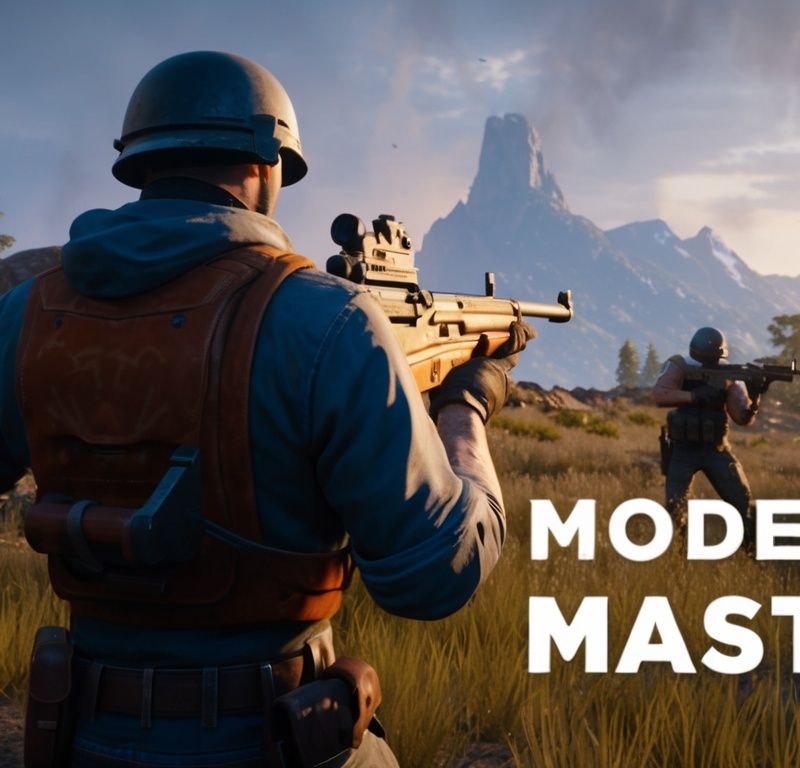
The upcoming installment presents an entirely revamped vision built using the latest technology, marking a complete departure from past titles by rebuilding everything on a modern engine.
The development team chose to rebuild everything from the ground up since no remnants of the original source exist. Instead of reworking the 1996 version, they embraced a fresh perspective for creating a modernized narrative.
During a Q&A session at a major industry event, the lead experience director, Jeff Adams, He clarified that the initiative had consistently been intended to… be a reimagined approach rather than a traditional remake. The team considered the opportunity to rebuild the project from the ground up and harness "the complete range of possibilities offered by the selected platform".
Working with Unreal Engine 5 allowed the engineers to design a tailored system based on the engine’s framework. This approach meant they could offer custom physics along with numerous technical enhancements, ensuring that every aspect of the gameplay achieved a high standard of fidelity.
The engine serves as a versatile platform that supports advanced physics and custom engineering.
Features such as Nanite and Lumen provide beautiful, realistic environments while also highlighting the need for engineered upgrades where necessary.
This balance between built-in capabilities and custom solutions has paved the way for delivering an experience that honors the original spirit in a modern context.
An example of these advancements is seen in the fluid simulation of the protagonist’s long braid, which dynamically responds to her movements—showcasing Consider these variations:
• "the degree of detail the team managed to achieve"
• "the extent of detail the team successfully produced"
• "the richness of detail the team ultimately delivered"
Each option retains the original context while being entirely unique to achieve.
Set to launch on February 27, 2027, the game It will be accessible on a variety of systems, including PlayStation 5, Xbox Series X and Series S, as well as Nintendo devices Switch 2, and PC.
Fans and enthusiasts are encouraged to stay updated through trusted news feeds and expert reviews to follow the evolution of this reimagined chapter in the series.
Modern Mastery: Reimagining a Classic on Unreal Engine 5
The upcoming installment presents an entirely revamped vision built using the latest technology, marking a complete departure from past titles by rebuilding everything on a modern engine.
The development team chose to rebuild everything from the ground up since no remnants of the original source exist. Instead of reworking the 1996 version, they embraced a fresh perspective for creating a modernized narrative.
During a Q&A session at a major industry event, the lead experience director, Jeff Adams, He clarified that the initiative had consistently been intended to… be a reimagined approach rather than a traditional remake. The team considered the opportunity to rebuild the project from the ground up and harness "the complete range of possibilities offered by the selected platform".
Working with Unreal Engine 5 allowed the engineers to design a tailored system based on the engine’s framework. This approach meant they could offer custom physics along with numerous technical enhancements, ensuring that every aspect of the gameplay achieved a high standard of fidelity.
The engine serves as a versatile platform that supports advanced physics and custom engineering.
Features such as Nanite and Lumen provide beautiful, realistic environments while also highlighting the need for engineered upgrades where necessary.
This balance between built-in capabilities and custom solutions has paved the way for delivering an experience that honors the original spirit in a modern context.
An example of these advancements is seen in the fluid simulation of the protagonist’s long braid, which dynamically responds to her movements—showcasing Consider these variations:
• "the degree of detail the team managed to achieve"
• "the extent of detail the team successfully produced"
• "the richness of detail the team ultimately delivered"
Each option retains the original context while being entirely unique to achieve.
Set to launch on February 27, 2027, the game It will be accessible on a variety of systems, including PlayStation 5, Xbox Series X and Series S, as well as Nintendo devices Switch 2, and PC.
Fans and enthusiasts are encouraged to stay updated through trusted news feeds and expert reviews to follow the evolution of this reimagined chapter in the series.
-
- Ava Martinez 19 Sep 2026
-
-
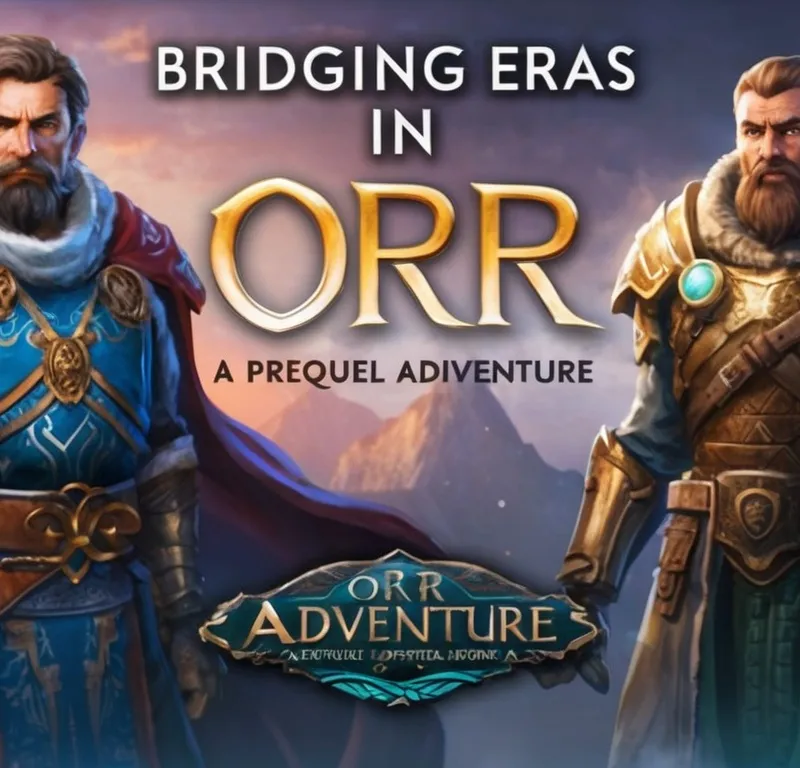 Bridging Eras in Orr: A Prequel Adventure for Every Gamer
This article outlines the latest approach taken by the development team to open up the world of their long-running MMORPG series for a broader audience. By extending the game to a new generation of platforms, the creators aim to welcome both experienced enthusiasts and complete newcomers.
The upcoming entry in the franchise will debut on both PC and PlayStation 5, signaling a new chapter the franchise’s debut on consoles. This decision has been undertaken with the aim of attaining a larger community and provide a fresh starting point for those interested in joining the adventure. Although The game won't be offered across every platform consoles at launch, its dual-platform availability highlights the team’s commitment to an inclusive experience.
The studio head explained during a live demonstration at a major gaming event that launching on a popular digital platform from the very beginning would allow the company to broaden its player base significantly. This strategy is designed to make the multiplayer experience accessible from day one and to encourage gamers of all backgrounds to participate.
Set in an era a thousand years before the unfolding events and central narrative of the original game takes place in the ancient realm of Orr. The narrative is crafted to appeal not only to long-time aficionados eager to uncover the rich lore but also to those who have never dived into this universe before. The prequel nature of the title ensures that new players do not need previous experience with earlier titles in the franchise.
The game invites all participants to learn about its intricate world together. Although passionate fans might recognize familiar species, figures, and locations from the lore, the design ensures that every player starts on equal terms. This cohesive launch approach is intended to build a strong, united community as the game unfolds.
The multi-platform launch is expected to generate a wider appeal by making it possible for the game to run on both PC and PlayStation 5. At this juncture, it is still unclear whether a… release on other consoles will follow. The overall goal is to extend an open invitation for everyone to enjoy the experience, making the title Here's a revised version: "an inviting gateway to the series.".
Currently in development, this new chapter It hasn't been assigned an official release date yet; however, fans… can look forward to a beta version that is scheduled for the fall of 2027, offering an early glimpse into the expansive world that awaits.
It will be released on both PC and PlayStation 5
Set a thousand years before the original game in the ancient land of Orr
Designed as a prequel to welcome new players
Beta scheduled for Fall 2027
Bridging Eras in Orr: A Prequel Adventure for Every Gamer
This article outlines the latest approach taken by the development team to open up the world of their long-running MMORPG series for a broader audience. By extending the game to a new generation of platforms, the creators aim to welcome both experienced enthusiasts and complete newcomers.
The upcoming entry in the franchise will debut on both PC and PlayStation 5, signaling a new chapter the franchise’s debut on consoles. This decision has been undertaken with the aim of attaining a larger community and provide a fresh starting point for those interested in joining the adventure. Although The game won't be offered across every platform consoles at launch, its dual-platform availability highlights the team’s commitment to an inclusive experience.
The studio head explained during a live demonstration at a major gaming event that launching on a popular digital platform from the very beginning would allow the company to broaden its player base significantly. This strategy is designed to make the multiplayer experience accessible from day one and to encourage gamers of all backgrounds to participate.
Set in an era a thousand years before the unfolding events and central narrative of the original game takes place in the ancient realm of Orr. The narrative is crafted to appeal not only to long-time aficionados eager to uncover the rich lore but also to those who have never dived into this universe before. The prequel nature of the title ensures that new players do not need previous experience with earlier titles in the franchise.
The game invites all participants to learn about its intricate world together. Although passionate fans might recognize familiar species, figures, and locations from the lore, the design ensures that every player starts on equal terms. This cohesive launch approach is intended to build a strong, united community as the game unfolds.
The multi-platform launch is expected to generate a wider appeal by making it possible for the game to run on both PC and PlayStation 5. At this juncture, it is still unclear whether a… release on other consoles will follow. The overall goal is to extend an open invitation for everyone to enjoy the experience, making the title Here's a revised version: "an inviting gateway to the series.".
Currently in development, this new chapter It hasn't been assigned an official release date yet; however, fans… can look forward to a beta version that is scheduled for the fall of 2027, offering an early glimpse into the expansive world that awaits.
It will be released on both PC and PlayStation 5
Set a thousand years before the original game in the ancient land of Orr
Designed as a prequel to welcome new players
Beta scheduled for Fall 2027
-
- Mariana Rocha 19 Sep 2026
-