


Get Zootopia
Screenshots



Play Games Online





I have always been drawn to stories that challenge conventional boundaries between species, cultures, and expectations. Watching Zootopia for the first time felt like stepping into an entirely new universe—a bustling urban jungle populated entirely by anthropomorphic animals. From the moment the movie began, I was caught up in its energetic pace, vibrant visuals, and the depth of its storyline. My experience with Zootopia was not a typical movie watch; it was an adventure that sparked both joy and reflection as I found myself resonating with its intricate layers and unexpected twists.
The Vibrant and Detailed World
One of the most impressive aspects of Zootopia for me has been its world-building. The film introduces a city so meticulously crafted that every district, from the snowy tundra of Tundratown to the lush jungles of the Savanna Central, comes alive with its own unique personality. I was absorbed into a city that did not feel generic or flat but was instead a living, breathing environment where each area contributed to the movie’s overall narrative. The attention to detail in the design and architecture immediately captured my imagination, allowing me to lose myself in the vibrant environment as if I were wandering its streets myself.
The Sophisticated Narrative and Plot Dynamics
The narrative of Zootopia is a clever blend of a mystery thriller and a buddy-cop drama, interwoven with moments of humor and poignant drama. From my perspective, the film managed to cleverly balance a fun, adventurous tone with serious discussions about societal stereotypes and personal growth. I admired how the creators managed to present a story that was accessible to younger audiences yet layered enough for adults to appreciate on multiple levels. The twists in the plot and the gradual unveiling of hidden truths kept me engaged and continually guessing, ensuring that I was both entertained and intellectually stimulated throughout the experience.
The Rich Characterization and Personal Development
I found myself particularly drawn to the film’s characters, who were far more than just simple archetypes. The protagonists were complex beings with personal histories, hopes, and fears. I related most to the character of Judy Hopps, whose determination, optimism, and vulnerability resonated with me deeply. Her journey, full of setbacks and breakthroughs alike, reminded me of my own battles on a personal and professional level. In addition, the character arcs extended to the supporting cast, whose backgrounds and motivations were carefully crafted to contribute to the overall narrative. Every character’s journey felt like a mini-parable on overcoming prejudice and embracing diversity, which made the experience more personal and meaningful as I watched their transformations unfold.
The Stellar Voice Acting and Casting Choices
An essential ingredient in my enjoyment of Zootopia was the exceptional voice acting that brought the characters to life. I was impressed by how the cast managed to infuse their roles with emotion and authenticity, ensuring that even the minor characters left a lasting impression. Every line of dialogue was delivered with precision, and there were moments when I almost forgot I was watching a computer-animated film. The vocal performances added a crucial layer of realism and warmth to the movie, making it easy for me to connect with the characters beyond their scripted lines. Their contributions turned an already vibrant world into one that truly felt inhabited by genuine personalities and diverse backgrounds.
The Artistry of Animation and Design Aesthetics
The visual aesthetics of Zootopia are a marvel of modern animation. I spent time admiring the intricacy of the character designs, the fluidity of the animation, and the immaculate detailing in the environments. Every frame seemed carefully painted with a mix of colorful exuberance and harmonious contrasts, ensuring that nothing ever felt out of place or haphazard. As I watched scenes transition from wide panoramic shots of the city to intimate moments highlighting individual character expressions, I was struck by the consistency and care in the artistic choices. The overall effect was one of breathtaking beauty, where every visual element seemed to serve the dual purpose of enhancing the narrative and solidifying the film’s immersive experience.
The Enchanting Soundtrack and Audio Effects
The movie’s soundtrack played a critical role in shaping my emotional responses to Zootopia’s unfolding story. I found myself smiling in synchronization with the upbeat musical themes that accompanied scenes of city exploration and camaraderie. The mix of rhythms and melodies not only elevated the heroic moments but also underscored periods of tension and introspection. I noticed that the soundtrack was carefully woven into the narrative, providing seamless transitions between high-energy sequences and quieter, more reflective moments. During some of the more dramatic scenes, the ebb and flow of the audio cues heightened the emotional stakes, making the movie a multi-sensory delight.
The Harmonious Blend of Humor and Depth
One aspect of Zootopia that profoundly affected me was its ability to balance humor with deeper, more reflective themes. The witty dialogue and comical situations provided plenty of laughter, but there were layered moments that challenged the audience to think. I found that the humor was not merely for entertainment; it served as a vehicle to introduce more complex subjects such as discrimination, self-acceptance, and the importance of empathy. As I chuckled during the funny exchanges, I also reflected on the stories behind each smile and smirk, appreciating how the film deftly managed to traverse the full spectrum of human (and animal) emotions without ever feeling overly simplistic or forced.
The Exploration of Social Themes and Commentary
While watching Zootopia, I was struck by the film’s keen social insights. It is rare to see a movie that can deliver a critical perspective on societal norms while also remaining engaging and family-friendly. The multiplicity of themes—ranging from the complexities of prejudice to the celebration of individual differences—was handled with a delicate balance of humor and gravity. I felt that each scene was a microcosm of larger societal dialogues, inviting viewers like myself to question preconceived notions about identity and belonging. This subtle yet impactful commentary made the movie an enlightening experience, as it resonated on a personal level with my own observations about modern society.
The Ingenious World-Building and Setting Innovation
What truly set Zootopia apart for me was the ingenious world-building that the animators achieved. From the sprawling downtown areas to the remote residential districts and hidden enclaves, every part of the city felt distinctly alive and purposefully crafted. I marveled at how the creators interlinked every corner of the city into a cohesive whole, with each district contributing unique cultural and environmental traits. Exploring this animated metropolis felt akin to exploring a large, intricately designed theme park, where every zone held secrets waiting to be explored. The creative vision behind the settings allowed me to experience the vast tapestry of Zootopia’s universe, each segment adding to the overall narrative without ever feeling disjointed or superfluous.
The Fluidity of Narrative Pacing and Editing
In watching Zootopia, I was impressed by the film’s remarkable pacing and the smooth transitions between various narrative beats. The editing skillfully balanced periods of rapid action with slower, more thoughtful scenes. This meticulous rhythm kept my interest steadily piqued throughout the film’s duration. I appreciated the way every sequence, regardless of its tempo, was carefully calibrated to enhance the overarching storyline. The ease with which the movie shifted from suspenseful investigations to comedic interludes deepened my engagement with the plot, allowing me to experience the narrative as a harmonious blend of tension and relief. Every carefully chosen shot and transition contributed to a seamless cinematic experience that I found both refreshing and deeply immersive.
The Intricate Interplay of Genres and Story Elements
My overall impression of Zootopia was largely influenced by its ability to merge various storytelling genres into a cohesive narrative. The film pulled elements from comedy, drama, mystery, and socio-political commentary to create a multifaceted experience. I found it refreshing to observe how the movie did not confine itself to any one genre. Instead, it allowed the storyline to evolve naturally, incorporating a range of elements that spoke to a broad audience. The mix ensured that there would be moments of lighthearted relief as well as points that would challenge my perspective or simply leave me in awe of the storyline’s brilliance. This genre-blending approach made my journey through Zootopia one of constant surprise and intellectual stimulation.
The Emotional Resonance and Community Spirit
Perhaps one of the most enduring impacts of Zootopia on me was its emotional resonance. I found that the challenges faced by the characters, their moments of vulnerability, and their eventual triumphs evoked a deep sense of hope and determination within me. The film managed to build an emotional community where every character's victory and struggle felt integral to the larger narrative. This sense of community - a collective aspiration to rise above adversity and embrace diversity - spoke directly to me. The movie’s subtle reminders about the strength found in unity and the richness that individual differences bring were especially memorable, guiding me to appreciate not just the story, but the values it championed.
Unconventional Perspectives and Narrative Innovation
My exploration of Zootopia was also enriched by the innovative narrative techniques used throughout the film. I observed how the storyline was structured in a non-linear way at times, revealing bits of a larger puzzle that only came together as the plot progressed. I enjoyed the challenge of piecing together subtle clues early on, reflecting on the narrative as if it were a riddle waiting to be solved. This unconventional approach not only made for a more interactive viewing experience but also fostered a sense of anticipation that persisted right until the very end. The clever narrative innovations reminded me of the power of storytelling to constantly push artistic boundaries and engage the audience on multiple intellectual levels.
The Understated yet Powerful Character Interactions
Throughout my viewing experience, the interactions between characters in Zootopia stood out prominently as moments of understated brilliance. I noted with admiration how even the briefest exchanges carried a weight of meaning, often revealing deeper insights about the world or about the characters themselves. The dialogue was crisp, laced with nuances that hinted at deeper narratives beneath the surface. I was particularly moved by scenes where characters who initially appeared to be at odds found common ground in unexpected ways. This dynamic not only enriched the narrative but also evoked personal reflections on empathy, trust, and collaboration. Every conversation provided a glimpse into the myriad ways through which diverse individuals can come together, reinforcing a central theme of unity that reverberated throughout the movie.
Latest on blog
-
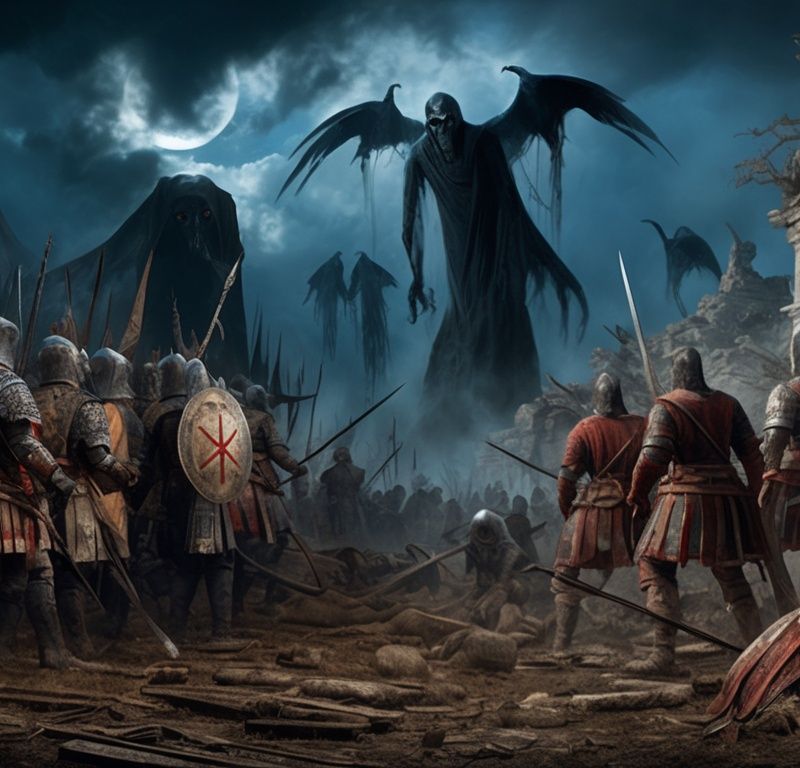 Valor Mortis: An Unconventional Clash of History and Dark Fantasy Valor Mortis emerges as an ambitious and unconventional experience that reimagines familiar genre tropes with an audacious blend of historical twists and fantastical combat. It invites players to explore a warped version of a Napoleonic-era battlefield where magic and melee intertwine in unexpected ways. As you step into the role of a relentless soldier with supernatural abilities, every encounter feels like a blend of elegant swordplay, precise spellcasting, and tactical firearm usage. The game challenges conventional design norms by merging the visceral intensity of soulslike encounters with quirky, imaginative mechanics and a strikingly unusual setting that continuously surprises and provokes reflection on both narrative and gameplay innovation.
Innovative Combat Fusion in a Historical Realm
Valor Mortis introduces a distinctive combat system that merges the precision and grace of swordfighting with the dynamism of ranged firearms and potent magical abilities. In this alternate Napoleonic era, players command a protagonist with a corrupted left hand radiating supernatural energy, allowing for a seamless interplay between physical and magical assaults. The combat design encourages fluid transitions, permitting players to switch from parries and dodges to explosive ranged techniques. The variety of options stimulates a deep engagement with the game’s mechanics, inviting tactical experimentation and creative strategies. The rhythmic cadence of duels, combined with the tense build-up before executing perfectly timed counterattacks, forms the core of an experience that is as cerebral as it is physically demanding.
Creative Weaponry and Supernatural Powers
The game presents an arsenal that is both broad and customizable, enabling players to shape their combat style to personal preferences. With three distinct melee options, a trio of ranged firearms, and an equal number of magical abilities, the system is designed to reward versatility. Each weapon and power branch comes equipped with its own upgrade tree, paving the way for in-depth character personalization. For instance, enhancing a fiery ability may lead to enemy explosions when impacted by subsequent attacks, while refining melee techniques can grant advantages when seamlessly linking evasive maneuvers with lethal strikes. This multiplicity of attack modes not only enriches gameplay while also shaping the overall experience of mastery and progression as each battle is approached as a unique tactical puzzle.
Explorations of a Twisted Napoleonic World
Valor Mortis situates its narrative in an alternate historical timeline where Napoleon’s tactical genius has reshaped reality, merging familiar military motifs with surreal and eerie landscapes. This setting, evoking elements reminiscent of BioShock aesthetics, subverts conventional battlefields with abstract and unsettling imagery, like harbors suspended in mid-air or war-torn vistas littered with surreal remnants. The atmosphere is rendered with surprising detail, imbuing each level with its own personality and sense of melancholy, while also embracing moments of absurdity. This unpredictable backdrop not only heightens the immersion but also reinforces the notion that traditional storytelling can be reinterpreted in visually arresting ways, pushing players to reevaluate their expectations of history and destiny in digital worlds.
Dynamic Platforming and Movement Challenges
The game attempts to blend intense combat with platforming sequences that test players’ agility and timing. Drawing inspiration from high-octane titles, players can experience wall-running, grappling, and the creation of makeshift platforms using supernatural abilities. These segments reward precision and exploration yet occasionally falter due to technical inconsistencies. Despite the ambition underlying these maneuvers, the platforming elements sometimes feel secondary to the core combat experience, resulting in moments where the mechanics betray their intended fluidity. Nonetheless, when executed correctly, the movement sequences stand out as exhilarating interludes that break the monotony of enemy encounters and provide a refreshing change of pace amid the relentless battles and intricate level designs that define the overall journey.
Explosive Encounters and Tactical Engagements
In Valor Mortis, combat scenarios are designed as intricate puzzles where timing, precision, and a deep understanding of enemy patterns become essential. Battles often require players to exploit environmental elements, such as igniting flammable objects or creating distractions that unveil strategic openings. Much of the excitement lies in orchestrating combinations where melee skills, ranged attacks, and magical powers converge to create powerful synergies. However, there are moments when the aggressive behaviors of adversaries can seem misdirected or overly simplistic, leading to repetitive sequences. Even so, these tactical engagements remain engaging as they prompt players to refine their approach and explore alternative strategies, transforming each encounter into a test of readiness and adaptability within an environment that constantly challenges traditional combat paradigms.
Refined Customization and Personal Playstyle
A notable feature of Valor Mortis is its deep customization system, which allows players to tailor their character’s abilities to better suit their preferred combat style. The upgrade trees for melee, firearms, and magic unveil numerous pathways that can alter gameplay dynamics significantly. In addition, an intricate system of perks and modifiers—referred to as Ambers—offers additional layers of strategic depth. Players can choose from options that enhance offense, bolster defense, or influence recovery rates, fostering a personalized blend that rewards careful planning. This robust customization framework encourages repeated playthroughs, as experimenting with different builds can reveal fresh tactical advantages and nuanced approaches to familiar challenges, thereby keeping the game experience feeling rewarding and varied throughout its progression.
Meticulous Detailing in Level Design and Aesthetics
Every corner of Valor Mortis’s environment exudes an eerie charm that is a testament to the developers’ commitment to world-building. Levels range from devastated battlefields littered with historical relics to unconventional realms where nature and supernatural elements intertwine. The landscapes are meticulously constructed, featuring ruined cities, floating harbors, and subterranean lairs that evoke a profound sense of desolation and wonder. The game’s art direction plays with contrasts—melding the grim realism of war with the fantastical elements of magic and mutated powers. This attention to aesthetic detail not only enhances the atmosphere but also serves a narrative purpose, as exploring these environments offers subtle hints about the broader lore and the chaotic forces that have permanently altered the world’s fabric.
Challenging Encounters Amidst Technical Hurdles
Despite its creative ambitions, Valor Mortis is not without technical quirks. Alongside its rich and multifaceted design, players may encounter glitches that undermine the overall fluidity of play. There are instances of collision detection issues, intermittent crashes, and unexpected environmental oversights that momentarily clash with the immersive experience. These technical setbacks can disrupt the delicate balance of intense combat and exploration, forcing players to adapt to unforeseen challenges. The game’s structure suggests that while innovation is at the forefront of its design, it sometimes struggles with the execution of these groundbreaking ideas. Nevertheless, these moments serve as reminders of the experimental nature of the project—an earnest attempt to push boundaries even when the underlying technology has yet to catch up with the ambitious vision.
Boss Encounters and the Art of Anticipation
Unlike many traditional soulslike titles known for epic boss battles, Valor Mortis takes a more nuanced approach to its standout adversaries. Boss encounters, while occasionally designed to provoke tension and measured responses, tend to rely on predictable telegraphed attacks that invite methodical counterplay. The scarcity of these monumental clashes means that players spend more time engaging with regular enemies and environmental hazards rather than preparing for epic showdowns. When bosses do appear, they often feel like heightened versions of standard foes rather than unique strategic challenges. This design choice places greater emphasis on the cumulative challenge of the journey, ensuring that even the most mundane encounter is laced with the potential for surprise and rapid tactical shifts, keeping the experience consistently engaging despite the less-than-memorable nature of these specific battles.
Intertwining Historical Context with Dark Fantasy
At its heart, Valor Mortis is a fusion of historical narrative and dark fantasy, where the familiar past is recast in a grotesque and enigmatic light. The game’s protagonist, a soldier in an alternate version of Napoleon’s army, serves as a conduit between the brutally realistic and the fantastically surreal. This blend of genres is evident not only in the dialogue and narrative snippets scattered throughout the levels but also in the environmental storytelling that gradually reveals an underlying chronicle of war, mysticism, and decay. The storyline touches on universal themes such as the ravages of conflict and the inherent paradoxes of power and mortality. The narrative threads are woven subtly into the game’s fabric, building intrigue without overwhelming the innate mystery that defines the setting.
Adaptive Strategy in a Multifaceted Battlefield
Valor Mortis is structured to accommodate a variety of combat approaches, inviting players to experiment with different strategies in the heat of battle. The interplay between the protagonist’s melee prowess, ranged skills, and supernatural abilities creates a layered combat system that rewards adaptability. As players traverse the hostile landscapes, they are encouraged to shift tactics Based on the enemy's inherent characteristics and… the intricacies of the environment. For instance, using long-range capabilities to disrupt enemy lines before closing in for a direct confrontation is one viable method, while another caters to precise hits with magical enhancements. This flexibility ensures that players are not confined to one repetitive cycle of engagement but instead must remain alert and strategically responsive, making each encounter a fresh challenge that tests both reflexes and thoughtful planning.
Valor Mortis: An Unconventional Clash of History and Dark Fantasy Valor Mortis emerges as an ambitious and unconventional experience that reimagines familiar genre tropes with an audacious blend of historical twists and fantastical combat. It invites players to explore a warped version of a Napoleonic-era battlefield where magic and melee intertwine in unexpected ways. As you step into the role of a relentless soldier with supernatural abilities, every encounter feels like a blend of elegant swordplay, precise spellcasting, and tactical firearm usage. The game challenges conventional design norms by merging the visceral intensity of soulslike encounters with quirky, imaginative mechanics and a strikingly unusual setting that continuously surprises and provokes reflection on both narrative and gameplay innovation.
Innovative Combat Fusion in a Historical Realm
Valor Mortis introduces a distinctive combat system that merges the precision and grace of swordfighting with the dynamism of ranged firearms and potent magical abilities. In this alternate Napoleonic era, players command a protagonist with a corrupted left hand radiating supernatural energy, allowing for a seamless interplay between physical and magical assaults. The combat design encourages fluid transitions, permitting players to switch from parries and dodges to explosive ranged techniques. The variety of options stimulates a deep engagement with the game’s mechanics, inviting tactical experimentation and creative strategies. The rhythmic cadence of duels, combined with the tense build-up before executing perfectly timed counterattacks, forms the core of an experience that is as cerebral as it is physically demanding.
Creative Weaponry and Supernatural Powers
The game presents an arsenal that is both broad and customizable, enabling players to shape their combat style to personal preferences. With three distinct melee options, a trio of ranged firearms, and an equal number of magical abilities, the system is designed to reward versatility. Each weapon and power branch comes equipped with its own upgrade tree, paving the way for in-depth character personalization. For instance, enhancing a fiery ability may lead to enemy explosions when impacted by subsequent attacks, while refining melee techniques can grant advantages when seamlessly linking evasive maneuvers with lethal strikes. This multiplicity of attack modes not only enriches gameplay while also shaping the overall experience of mastery and progression as each battle is approached as a unique tactical puzzle.
Explorations of a Twisted Napoleonic World
Valor Mortis situates its narrative in an alternate historical timeline where Napoleon’s tactical genius has reshaped reality, merging familiar military motifs with surreal and eerie landscapes. This setting, evoking elements reminiscent of BioShock aesthetics, subverts conventional battlefields with abstract and unsettling imagery, like harbors suspended in mid-air or war-torn vistas littered with surreal remnants. The atmosphere is rendered with surprising detail, imbuing each level with its own personality and sense of melancholy, while also embracing moments of absurdity. This unpredictable backdrop not only heightens the immersion but also reinforces the notion that traditional storytelling can be reinterpreted in visually arresting ways, pushing players to reevaluate their expectations of history and destiny in digital worlds.
Dynamic Platforming and Movement Challenges
The game attempts to blend intense combat with platforming sequences that test players’ agility and timing. Drawing inspiration from high-octane titles, players can experience wall-running, grappling, and the creation of makeshift platforms using supernatural abilities. These segments reward precision and exploration yet occasionally falter due to technical inconsistencies. Despite the ambition underlying these maneuvers, the platforming elements sometimes feel secondary to the core combat experience, resulting in moments where the mechanics betray their intended fluidity. Nonetheless, when executed correctly, the movement sequences stand out as exhilarating interludes that break the monotony of enemy encounters and provide a refreshing change of pace amid the relentless battles and intricate level designs that define the overall journey.
Explosive Encounters and Tactical Engagements
In Valor Mortis, combat scenarios are designed as intricate puzzles where timing, precision, and a deep understanding of enemy patterns become essential. Battles often require players to exploit environmental elements, such as igniting flammable objects or creating distractions that unveil strategic openings. Much of the excitement lies in orchestrating combinations where melee skills, ranged attacks, and magical powers converge to create powerful synergies. However, there are moments when the aggressive behaviors of adversaries can seem misdirected or overly simplistic, leading to repetitive sequences. Even so, these tactical engagements remain engaging as they prompt players to refine their approach and explore alternative strategies, transforming each encounter into a test of readiness and adaptability within an environment that constantly challenges traditional combat paradigms.
Refined Customization and Personal Playstyle
A notable feature of Valor Mortis is its deep customization system, which allows players to tailor their character’s abilities to better suit their preferred combat style. The upgrade trees for melee, firearms, and magic unveil numerous pathways that can alter gameplay dynamics significantly. In addition, an intricate system of perks and modifiers—referred to as Ambers—offers additional layers of strategic depth. Players can choose from options that enhance offense, bolster defense, or influence recovery rates, fostering a personalized blend that rewards careful planning. This robust customization framework encourages repeated playthroughs, as experimenting with different builds can reveal fresh tactical advantages and nuanced approaches to familiar challenges, thereby keeping the game experience feeling rewarding and varied throughout its progression.
Meticulous Detailing in Level Design and Aesthetics
Every corner of Valor Mortis’s environment exudes an eerie charm that is a testament to the developers’ commitment to world-building. Levels range from devastated battlefields littered with historical relics to unconventional realms where nature and supernatural elements intertwine. The landscapes are meticulously constructed, featuring ruined cities, floating harbors, and subterranean lairs that evoke a profound sense of desolation and wonder. The game’s art direction plays with contrasts—melding the grim realism of war with the fantastical elements of magic and mutated powers. This attention to aesthetic detail not only enhances the atmosphere but also serves a narrative purpose, as exploring these environments offers subtle hints about the broader lore and the chaotic forces that have permanently altered the world’s fabric.
Challenging Encounters Amidst Technical Hurdles
Despite its creative ambitions, Valor Mortis is not without technical quirks. Alongside its rich and multifaceted design, players may encounter glitches that undermine the overall fluidity of play. There are instances of collision detection issues, intermittent crashes, and unexpected environmental oversights that momentarily clash with the immersive experience. These technical setbacks can disrupt the delicate balance of intense combat and exploration, forcing players to adapt to unforeseen challenges. The game’s structure suggests that while innovation is at the forefront of its design, it sometimes struggles with the execution of these groundbreaking ideas. Nevertheless, these moments serve as reminders of the experimental nature of the project—an earnest attempt to push boundaries even when the underlying technology has yet to catch up with the ambitious vision.
Boss Encounters and the Art of Anticipation
Unlike many traditional soulslike titles known for epic boss battles, Valor Mortis takes a more nuanced approach to its standout adversaries. Boss encounters, while occasionally designed to provoke tension and measured responses, tend to rely on predictable telegraphed attacks that invite methodical counterplay. The scarcity of these monumental clashes means that players spend more time engaging with regular enemies and environmental hazards rather than preparing for epic showdowns. When bosses do appear, they often feel like heightened versions of standard foes rather than unique strategic challenges. This design choice places greater emphasis on the cumulative challenge of the journey, ensuring that even the most mundane encounter is laced with the potential for surprise and rapid tactical shifts, keeping the experience consistently engaging despite the less-than-memorable nature of these specific battles.
Intertwining Historical Context with Dark Fantasy
At its heart, Valor Mortis is a fusion of historical narrative and dark fantasy, where the familiar past is recast in a grotesque and enigmatic light. The game’s protagonist, a soldier in an alternate version of Napoleon’s army, serves as a conduit between the brutally realistic and the fantastically surreal. This blend of genres is evident not only in the dialogue and narrative snippets scattered throughout the levels but also in the environmental storytelling that gradually reveals an underlying chronicle of war, mysticism, and decay. The storyline touches on universal themes such as the ravages of conflict and the inherent paradoxes of power and mortality. The narrative threads are woven subtly into the game’s fabric, building intrigue without overwhelming the innate mystery that defines the setting.
Adaptive Strategy in a Multifaceted Battlefield
Valor Mortis is structured to accommodate a variety of combat approaches, inviting players to experiment with different strategies in the heat of battle. The interplay between the protagonist’s melee prowess, ranged skills, and supernatural abilities creates a layered combat system that rewards adaptability. As players traverse the hostile landscapes, they are encouraged to shift tactics Based on the enemy's inherent characteristics and… the intricacies of the environment. For instance, using long-range capabilities to disrupt enemy lines before closing in for a direct confrontation is one viable method, while another caters to precise hits with magical enhancements. This flexibility ensures that players are not confined to one repetitive cycle of engagement but instead must remain alert and strategically responsive, making each encounter a fresh challenge that tests both reflexes and thoughtful planning.
-

- Mariana Rocha 19 Oct 2026
-
-
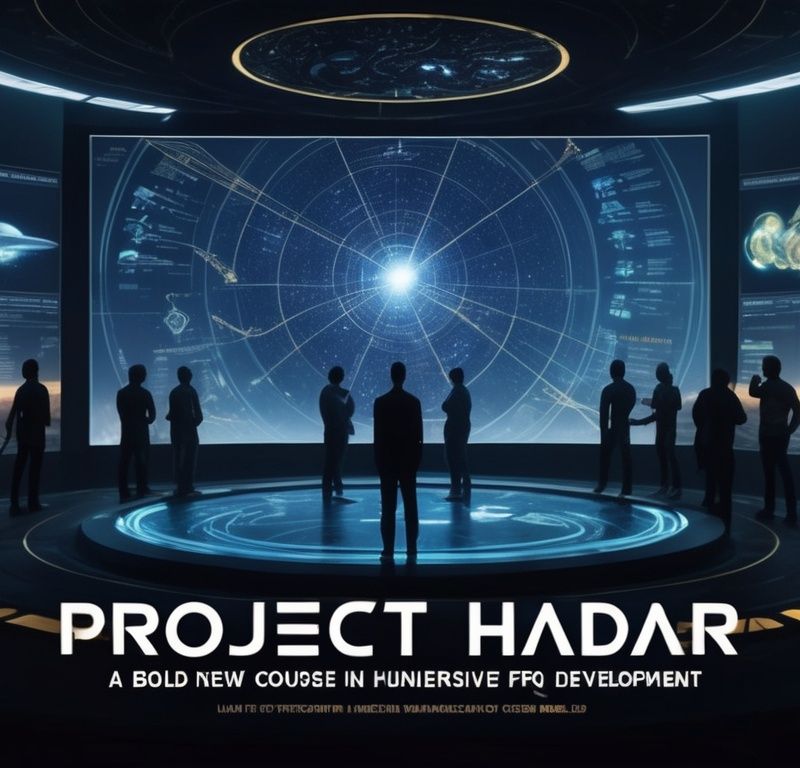 Project Hadar: Charting a Bold New Course in Immersive RPG Development This announcement brings exciting news about a new project from the renowned Polish developer famous for its immersive role-playing franchises. The studio has reached a major milestone by finalizing the conceptual design for a new intellectual property and has started turning those ideas into a playable experience.
The creative phase for the latest game, known internally as Project Hadar, has concluded, marking the transition toward actual game development. The company described this project as their most ambitious endeavor yet, acknowledging that several years of conceptual work have led to a clear vision for a unique game world and its essential features. Although work on the game has begun, the project has has not advanced to the pre-production stage.
Earlier this year, the developer expanded its team dedicated to Project Hadar. Initial recruitment efforts brought together more than 30 talent members, with plans to grow the group to around 50 by the end of the year. A recent job announcement for a senior engineering role hinted at an immersive, open-world approach that promises to deliver an emotional and expansive gaming experience.
In addition to Project Hadar, the studio is juggling several other large-scale projects. These include the long-anticipated next installment of their acclaimed role-playing series, expected to debut in 2028, and a significant new expansion for their popular open-world adventure, which will focus on key characters and serve as a bridge to future titles. The follow-up to their well-known cyberpunk saga is also in the pipeline. The company has shared plans to roll out a trilogy for its role-playing series over six years, with subsequent entries scheduled in the early 2030s.
While many details of Project Hadar remain under wraps, it is clear that the game is being designed to support a vast and intricate role-playing experience. Fans eagerly await further insights into the new world that the talented team is shaping, hoping that it will offer fresh adventures and unforgettable narrative moments.
Project Hadar reached its conceptual milestone with a complete vision for its game world.
The development team is expanding, with plans to increase staffing significantly during the year.
Other major projects include the next role-playing installment, a fresh expansion for a beloved open-world title, and a sequel to a popular cyberpunk game.
Future plans for the flagship franchise include a multi-part series extending into the early 2030s.
Additional content related to the developer includes a forthcoming animated series debuting on a major streaming platform later this month and a recent remaster of a celebrated open-world game. The remaster, released across consoles and PC, received some initial technical feedback that was swiftly addressed by the studio.
Project Hadar: Charting a Bold New Course in Immersive RPG Development This announcement brings exciting news about a new project from the renowned Polish developer famous for its immersive role-playing franchises. The studio has reached a major milestone by finalizing the conceptual design for a new intellectual property and has started turning those ideas into a playable experience.
The creative phase for the latest game, known internally as Project Hadar, has concluded, marking the transition toward actual game development. The company described this project as their most ambitious endeavor yet, acknowledging that several years of conceptual work have led to a clear vision for a unique game world and its essential features. Although work on the game has begun, the project has has not advanced to the pre-production stage.
Earlier this year, the developer expanded its team dedicated to Project Hadar. Initial recruitment efforts brought together more than 30 talent members, with plans to grow the group to around 50 by the end of the year. A recent job announcement for a senior engineering role hinted at an immersive, open-world approach that promises to deliver an emotional and expansive gaming experience.
In addition to Project Hadar, the studio is juggling several other large-scale projects. These include the long-anticipated next installment of their acclaimed role-playing series, expected to debut in 2028, and a significant new expansion for their popular open-world adventure, which will focus on key characters and serve as a bridge to future titles. The follow-up to their well-known cyberpunk saga is also in the pipeline. The company has shared plans to roll out a trilogy for its role-playing series over six years, with subsequent entries scheduled in the early 2030s.
While many details of Project Hadar remain under wraps, it is clear that the game is being designed to support a vast and intricate role-playing experience. Fans eagerly await further insights into the new world that the talented team is shaping, hoping that it will offer fresh adventures and unforgettable narrative moments.
Project Hadar reached its conceptual milestone with a complete vision for its game world.
The development team is expanding, with plans to increase staffing significantly during the year.
Other major projects include the next role-playing installment, a fresh expansion for a beloved open-world title, and a sequel to a popular cyberpunk game.
Future plans for the flagship franchise include a multi-part series extending into the early 2030s.
Additional content related to the developer includes a forthcoming animated series debuting on a major streaming platform later this month and a recent remaster of a celebrated open-world game. The remaster, released across consoles and PC, received some initial technical feedback that was swiftly addressed by the studio.
-

- Ava Martinez 19 Oct 2026
-
-
 Netflix's Bold Restructuring: Streamlining Operations for a Global Entertainment Future Netflix has recently undergone a substantial restructuring, reducing its total workforce by more than 1,000 employees—approximately 6% of its staff. This move represents the largest adjustment in staffing to date, focusing primarily on streamlining certain operational areas.
The recent changes will mostly impact internal departments Spanning, though not exclusively limited to, the areas mentioned below:
Product development
Technology operations
Legal support
Human resources
Company leaders have outlined that the ambition to entertain a global audience requires difficult but necessary decisions regarding where to allocate talent and resources. They stressed that even with a strong and expanding business, concentrating investments in high-priority sectors is essential to enhance service quality, drive growth, and foster innovation. This strategic focus is intended to benefit subscribers, partners, employees, and investors alike.
Despite a portfolio of popular exclusive titles, Netflix has faced challenges in meeting the evolving demands of its audience. Some industry observers believe that the service has occasionally favored volume over the meticulous quality that viewers expect. To counterbalance these issues, Netflix has negotiated an arrangement with a rival streaming platform to license select programming.
Under this new partnership, Netflix will offer a blend of classic favorites alongside currently trending television series to its 325 million subscribers. The provider has recently rolled out its streaming schedule featuring a literary miniseries, a production headed by a well-known actor, and a show featuring a dramatic encounter with a mysterious sea creature. Additionally, Devoted fans are eagerly anticipating the imminent launch of a second season for one of its acclaimed anime series in the near future.
The company has also been experimenting with expanding its services into the gaming sector as a means to further engage its audience. An extended preview for a highly anticipated video game generated significant buzz, racking up tens of millions of "views accumulated during its debut week of release".
Earlier in the year, Netflix introduced a game revolving around a globally celebrated sporting event, though not long after its launch the developer behind this interactive experience reduced its team size considerably. Critics of the game have highlighted various flaws, including issues with controls, graphics, artificial intelligence, and overall execution.
More recently in March, the platform implemented another price adjustment for its subscription service. A company representative later noted that there was no additional commentary available beyond the internal memo addressing these workforce changes.
Netflix's Bold Restructuring: Streamlining Operations for a Global Entertainment Future Netflix has recently undergone a substantial restructuring, reducing its total workforce by more than 1,000 employees—approximately 6% of its staff. This move represents the largest adjustment in staffing to date, focusing primarily on streamlining certain operational areas.
The recent changes will mostly impact internal departments Spanning, though not exclusively limited to, the areas mentioned below:
Product development
Technology operations
Legal support
Human resources
Company leaders have outlined that the ambition to entertain a global audience requires difficult but necessary decisions regarding where to allocate talent and resources. They stressed that even with a strong and expanding business, concentrating investments in high-priority sectors is essential to enhance service quality, drive growth, and foster innovation. This strategic focus is intended to benefit subscribers, partners, employees, and investors alike.
Despite a portfolio of popular exclusive titles, Netflix has faced challenges in meeting the evolving demands of its audience. Some industry observers believe that the service has occasionally favored volume over the meticulous quality that viewers expect. To counterbalance these issues, Netflix has negotiated an arrangement with a rival streaming platform to license select programming.
Under this new partnership, Netflix will offer a blend of classic favorites alongside currently trending television series to its 325 million subscribers. The provider has recently rolled out its streaming schedule featuring a literary miniseries, a production headed by a well-known actor, and a show featuring a dramatic encounter with a mysterious sea creature. Additionally, Devoted fans are eagerly anticipating the imminent launch of a second season for one of its acclaimed anime series in the near future.
The company has also been experimenting with expanding its services into the gaming sector as a means to further engage its audience. An extended preview for a highly anticipated video game generated significant buzz, racking up tens of millions of "views accumulated during its debut week of release".
Earlier in the year, Netflix introduced a game revolving around a globally celebrated sporting event, though not long after its launch the developer behind this interactive experience reduced its team size considerably. Critics of the game have highlighted various flaws, including issues with controls, graphics, artificial intelligence, and overall execution.
More recently in March, the platform implemented another price adjustment for its subscription service. A company representative later noted that there was no additional commentary available beyond the internal memo addressing these workforce changes.
-
- Ava Martinez 19 Oct 2026
-
-
 Knight Cookie: Confectionery Valor Meets Tactical Brilliance
Embarking on an exploration of CookieRun: Crumble Knight Cookie introduces a world where confectionery charm meets strategic gameplay. The character known as Knight Cookie emerges not only as a stout tea soldier but also as an essential asset in early defensive lineups. His presence weaves together delicate aesthetics and impressive utility, creating a balance between form and function. As players traverse the narrative and tactical challenges of the game, Knight Cookie’s capabilities evolve from basic defense to a synergistic damage driver when combined with other characters. Intricate details concerning his armor, inspired by solid white chocolate and an elegantly frothy milk foam helmet, speak volumes about the imaginative design language behind the game. Every swing of his sword is a testament to his underlying loyalty and valor without ever revealing a shallow identity.
A Gallant Fighter with a Tasty Heritage
Knight Cookie stands out as a charming embodiment of bravery, combining playful culinary imagery with tactical prowess. Clad in armor reinforced by sumptuous white chocolate and crowned with a distinctive milk foam helmet, he exudes an air of gallantry that transcends typical in-game characters. His design is a mix of audacious style and battle-ready readiness, making it evident how the developers paid attention to even minute aesthetic details. The character’s visual flair serves as a reminder that CookieRun: Crumble is not merely a pastime; it is an orchestrated culinary adventure. His overall presence hints at the dedicated fusion of fantasy and flavor, drawing players to delve deeper into a realm where every detail, whether visual or functional, contributes to an immersive and playful world.
Blend of Defense and Offense in Gameplay Dynamics
At its core, Knight Cookie offers the player a dynamic blend of both defensive and offensive capabilities. His role as a tank in many team compositions is a testament to his versatility. At early stages of gameplay, he stands out as a reliable figure who can swiftly transition from receiving damage to dealing substantial damage with his signature skill. By delivering a powerful Cavalry Charge, he supports allied roles with an innate Range Synergy boost that enhances the effectiveness of nearby cookies. The inherent design of this character ensures that while he predominantly absorbs hits, his offensive flares are a crucial part of his charm, keeping players engaged with each swing of his sword. This dual functionality encourages experimentation with team setups, evoking a gameplay experience that is both satisfying and strategically deep.
An Engaging Synergy of Ingredients and Strategy
Knight Cookie exemplifies the art of strategic gameplay through the clever use of synergies within the team. His unique ability to provide a Range Synergy to nearby allies during his Cavalry Charge embeds him in a network of cooperative tactics that elevate the overall performance of the team. When paired with other cookies such as Princess Cookie, Zombie Cookie, and Alchemist Cookie, his presence significantly bolsters offensive potential by amplifying the range-dependent abilities of his teammates. This synergy does not operate in isolation; careful selection of complementary characters enhances the strengths of the entire squad. Additionally, the thoughtful integration of gameplay mechanics indicates that players are rewarded by positioning Knight Cookie strategically to maximize the lasting impact of his buff. Such combinations lead to a roller-coaster of tactical decisions that enrich every battle scenario.
Strategic Development and Empowerment
A notable aspect of Knight Cookie is the ease with which he can be upgraded. Being a common character in the gacha system, he offers accessibility that many players appreciate in the early game. As he ascends to the 3-star skill upgrade, his offensive potentials amplify, making him a formidable force in numerous situations. The upgrade procedure has been engineered for simplicity, allowing casual gamers to quickly invest in his abilities without requiring extensive resources. This progression enables players to enjoy a tangible sense of empowerment as they witness their tactical asset being transformed. The smooth transition from a dependable tank to a notable damage contributor reflects careful game balancing, where each upgrade is purposefully calibrated to maintain a fine equilibrium between challenge and reward, keeping strategic decision-making at the forefront.
Visual Splendor and Thematic Composition
Beyond his utility in combat, Knight Cookie is a testament to an artful narrative that intertwines a culinary theme with medieval aesthetics. Every feature, from the gleaming white chocolate details of his armor to the intricately frothy milk foam on his helmet, narrates a story of whimsical heroism. The character design does more than just please the eye; it subtly reinforces the identity of the game itself—a place where sweetness meets valor and every element is imbued with creative spirit. There is a poetic allure in how the visuals echo the lore of CookieRun: Crumble, highlighting both the bravery and the unique flair of each cookie. This attention to artistic composition ensures that even in quieter moments of the game, players can appreciate the craftsmanship behind the character, merging playful fantasy with a distinct aesthetic language.
Responsive Skill Mechanics and Tactical Applications
Knight Cookie's skill, often referred to as the Cavalry Charge, is a masterpiece of responsive design that caters to both immediate offense and long-term cooperation. With each activation, he swings his sword with efficient precision, dealing damage to surrounding adversaries while simultaneously empowering nearby allies through a timely Range Synergy boost. The balance between the damage output and the supportive synergy encapsulates the intricate layers of tactical gameplay intrinsic to CookieRun: Crumble. Its cooldown timing of five seconds pushes players to think critically about optimal moments for activation, ensuring that the skill’s engagement dovetails with in-game situations. This multifaceted mechanism not only intensifies the feeling of urgency throughout battles but also rewards calculated risk-taking, leading to gameplay one that challenges the mind while captivating the eyes equally dynamic.
Integrating Complementary Cookies into Battle Formations
Central to experiencing the full advantage of Knight Cookie’s abilities is the strategic inclusion of other cookies that complement his skill set. Thoughtful team compositions that incorporate characters like Princess Cookie, Zombie Cookie, and Alchemist Cookie can create a harmonious blend where each role amplifies the others. The Range Synergy provided by Knight Cookie spreads an essential buff, enabling compatible cookies to maximize their effective zones. This interplay not only augments damage output but also reinforces the overall defensive line, leading to resilient strategies that adapt fluidly to the ebb and flow of battle. The allure of such integrations lies in the diversity and creativity encouraged in team building, pushing players to explore various combinations and determine which assembly best fits their unique style of play. The strategic calibration of cookies fosters a game environment that is both vibrant and thought-provoking.
Adaptive Resource Management and Sugar Runes
In addition to character abilities, Knight Cookie’s potential is further amplified by the judicious use of Sugar Runes. Players can opt for either a full tank or full ATK rune configuration, each path carrying distinct benefits that tailor his combat role. The recommendation to mix and match rare runes introduces a layer of resource management that emphasizes the importance of balancing between offense and defense. This customization reflects CookieRun: Crumble’s broader design philosophy that rewards careful planning and investment in character progression. By engaging with the rune system, players find themselves in a compelling exercise of strategic allocation, where every rune chosen can shift the delicate equilibrium of battle. The system’s flexibility encourages experimentation, allowing players to refine and optimize Knight Cookie’s effectiveness as they adapt his build to counter evolving in-game challenges.
Manipulating Tactical Timings and Combat Rhythms
The effectiveness of Knight Cookie extends to the nuanced manipulation of timing within combat sequences. His active role in both delivering damage and providing crucial buffs creates a rhythmic pattern that is vital to succeeding in fast-paced skirmishes. The skill, with its set cooldown and damage multipliers, forces players to anticipate enemy movements and synchronize activations with precision. Every decision regarding when to activate his Cavalry Charge influences not only immediate damage but also the potential to enhance the performance of nearby cookies. This intricate timing demands keen attention to tactical pacing and situational awareness. Such dynamics inject an element of real-time strategy into the gameplay, where players must remain ever-alert to the shifting battle conditions. The resulting combat rhythm is a delicate dance, showcasing the balance between rapid offensive maneuvers and systematic defensive enhancements.
Exploring the Narrative Layer of Knight Cookie
Beyond the mechanics and visuals lies a subtle yet compelling narrative that enriches the player’s experience with Knight Cookie. Each element of his design, from the symbolic armor to the detailed description of his loyalty and purpose, hints at an underlying storyline that transcends mere gameplay. The story is intricately woven with elements that epitomize honor, responsibility, and the quest for balance between might and support. This backstory transforms every swing of his sword into a gesture laden with meaning and commitment. By engaging with the lore, players uncover layers of depth that encourage further exploration of CookieRun: Crumble’s rich universe. The narrative dimension enhances emotional investment, making every encounter and team formation feel part of a larger saga in which each cookie, particularly the steadfast Knight Cookie, plays a defined and cherished role.
Balancing Accessibility with Mastery in Gameplay
Knight Cookie is crafted in a way that bridges the gap Striking a balance between being welcoming for beginners and offering the complexity that experienced players demand strategists. His straightforward upgrade path, courtesy of his common availability in the gacha system, means that novices can quickly integrate him into their teams and experience the excitement of his multifaceted skill set. At the same time, the layers of strategic complexity inherent in his role—be it the synergy enhancements, damage calculations, or integration with complementary cookies—offer veteran players ample room for mastery and innovation. Such duality ensures that every gameplay session remains engaging regardless of experience level. The character is a microcosm of CookieRun: Crumble’s broader philosophy, where simplicity and depth coalesce to create a rewarding and enduring gaming experience that challenges and delights in equal measure.
Knight Cookie: Confectionery Valor Meets Tactical Brilliance
Embarking on an exploration of CookieRun: Crumble Knight Cookie introduces a world where confectionery charm meets strategic gameplay. The character known as Knight Cookie emerges not only as a stout tea soldier but also as an essential asset in early defensive lineups. His presence weaves together delicate aesthetics and impressive utility, creating a balance between form and function. As players traverse the narrative and tactical challenges of the game, Knight Cookie’s capabilities evolve from basic defense to a synergistic damage driver when combined with other characters. Intricate details concerning his armor, inspired by solid white chocolate and an elegantly frothy milk foam helmet, speak volumes about the imaginative design language behind the game. Every swing of his sword is a testament to his underlying loyalty and valor without ever revealing a shallow identity.
A Gallant Fighter with a Tasty Heritage
Knight Cookie stands out as a charming embodiment of bravery, combining playful culinary imagery with tactical prowess. Clad in armor reinforced by sumptuous white chocolate and crowned with a distinctive milk foam helmet, he exudes an air of gallantry that transcends typical in-game characters. His design is a mix of audacious style and battle-ready readiness, making it evident how the developers paid attention to even minute aesthetic details. The character’s visual flair serves as a reminder that CookieRun: Crumble is not merely a pastime; it is an orchestrated culinary adventure. His overall presence hints at the dedicated fusion of fantasy and flavor, drawing players to delve deeper into a realm where every detail, whether visual or functional, contributes to an immersive and playful world.
Blend of Defense and Offense in Gameplay Dynamics
At its core, Knight Cookie offers the player a dynamic blend of both defensive and offensive capabilities. His role as a tank in many team compositions is a testament to his versatility. At early stages of gameplay, he stands out as a reliable figure who can swiftly transition from receiving damage to dealing substantial damage with his signature skill. By delivering a powerful Cavalry Charge, he supports allied roles with an innate Range Synergy boost that enhances the effectiveness of nearby cookies. The inherent design of this character ensures that while he predominantly absorbs hits, his offensive flares are a crucial part of his charm, keeping players engaged with each swing of his sword. This dual functionality encourages experimentation with team setups, evoking a gameplay experience that is both satisfying and strategically deep.
An Engaging Synergy of Ingredients and Strategy
Knight Cookie exemplifies the art of strategic gameplay through the clever use of synergies within the team. His unique ability to provide a Range Synergy to nearby allies during his Cavalry Charge embeds him in a network of cooperative tactics that elevate the overall performance of the team. When paired with other cookies such as Princess Cookie, Zombie Cookie, and Alchemist Cookie, his presence significantly bolsters offensive potential by amplifying the range-dependent abilities of his teammates. This synergy does not operate in isolation; careful selection of complementary characters enhances the strengths of the entire squad. Additionally, the thoughtful integration of gameplay mechanics indicates that players are rewarded by positioning Knight Cookie strategically to maximize the lasting impact of his buff. Such combinations lead to a roller-coaster of tactical decisions that enrich every battle scenario.
Strategic Development and Empowerment
A notable aspect of Knight Cookie is the ease with which he can be upgraded. Being a common character in the gacha system, he offers accessibility that many players appreciate in the early game. As he ascends to the 3-star skill upgrade, his offensive potentials amplify, making him a formidable force in numerous situations. The upgrade procedure has been engineered for simplicity, allowing casual gamers to quickly invest in his abilities without requiring extensive resources. This progression enables players to enjoy a tangible sense of empowerment as they witness their tactical asset being transformed. The smooth transition from a dependable tank to a notable damage contributor reflects careful game balancing, where each upgrade is purposefully calibrated to maintain a fine equilibrium between challenge and reward, keeping strategic decision-making at the forefront.
Visual Splendor and Thematic Composition
Beyond his utility in combat, Knight Cookie is a testament to an artful narrative that intertwines a culinary theme with medieval aesthetics. Every feature, from the gleaming white chocolate details of his armor to the intricately frothy milk foam on his helmet, narrates a story of whimsical heroism. The character design does more than just please the eye; it subtly reinforces the identity of the game itself—a place where sweetness meets valor and every element is imbued with creative spirit. There is a poetic allure in how the visuals echo the lore of CookieRun: Crumble, highlighting both the bravery and the unique flair of each cookie. This attention to artistic composition ensures that even in quieter moments of the game, players can appreciate the craftsmanship behind the character, merging playful fantasy with a distinct aesthetic language.
Responsive Skill Mechanics and Tactical Applications
Knight Cookie's skill, often referred to as the Cavalry Charge, is a masterpiece of responsive design that caters to both immediate offense and long-term cooperation. With each activation, he swings his sword with efficient precision, dealing damage to surrounding adversaries while simultaneously empowering nearby allies through a timely Range Synergy boost. The balance between the damage output and the supportive synergy encapsulates the intricate layers of tactical gameplay intrinsic to CookieRun: Crumble. Its cooldown timing of five seconds pushes players to think critically about optimal moments for activation, ensuring that the skill’s engagement dovetails with in-game situations. This multifaceted mechanism not only intensifies the feeling of urgency throughout battles but also rewards calculated risk-taking, leading to gameplay one that challenges the mind while captivating the eyes equally dynamic.
Integrating Complementary Cookies into Battle Formations
Central to experiencing the full advantage of Knight Cookie’s abilities is the strategic inclusion of other cookies that complement his skill set. Thoughtful team compositions that incorporate characters like Princess Cookie, Zombie Cookie, and Alchemist Cookie can create a harmonious blend where each role amplifies the others. The Range Synergy provided by Knight Cookie spreads an essential buff, enabling compatible cookies to maximize their effective zones. This interplay not only augments damage output but also reinforces the overall defensive line, leading to resilient strategies that adapt fluidly to the ebb and flow of battle. The allure of such integrations lies in the diversity and creativity encouraged in team building, pushing players to explore various combinations and determine which assembly best fits their unique style of play. The strategic calibration of cookies fosters a game environment that is both vibrant and thought-provoking.
Adaptive Resource Management and Sugar Runes
In addition to character abilities, Knight Cookie’s potential is further amplified by the judicious use of Sugar Runes. Players can opt for either a full tank or full ATK rune configuration, each path carrying distinct benefits that tailor his combat role. The recommendation to mix and match rare runes introduces a layer of resource management that emphasizes the importance of balancing between offense and defense. This customization reflects CookieRun: Crumble’s broader design philosophy that rewards careful planning and investment in character progression. By engaging with the rune system, players find themselves in a compelling exercise of strategic allocation, where every rune chosen can shift the delicate equilibrium of battle. The system’s flexibility encourages experimentation, allowing players to refine and optimize Knight Cookie’s effectiveness as they adapt his build to counter evolving in-game challenges.
Manipulating Tactical Timings and Combat Rhythms
The effectiveness of Knight Cookie extends to the nuanced manipulation of timing within combat sequences. His active role in both delivering damage and providing crucial buffs creates a rhythmic pattern that is vital to succeeding in fast-paced skirmishes. The skill, with its set cooldown and damage multipliers, forces players to anticipate enemy movements and synchronize activations with precision. Every decision regarding when to activate his Cavalry Charge influences not only immediate damage but also the potential to enhance the performance of nearby cookies. This intricate timing demands keen attention to tactical pacing and situational awareness. Such dynamics inject an element of real-time strategy into the gameplay, where players must remain ever-alert to the shifting battle conditions. The resulting combat rhythm is a delicate dance, showcasing the balance between rapid offensive maneuvers and systematic defensive enhancements.
Exploring the Narrative Layer of Knight Cookie
Beyond the mechanics and visuals lies a subtle yet compelling narrative that enriches the player’s experience with Knight Cookie. Each element of his design, from the symbolic armor to the detailed description of his loyalty and purpose, hints at an underlying storyline that transcends mere gameplay. The story is intricately woven with elements that epitomize honor, responsibility, and the quest for balance between might and support. This backstory transforms every swing of his sword into a gesture laden with meaning and commitment. By engaging with the lore, players uncover layers of depth that encourage further exploration of CookieRun: Crumble’s rich universe. The narrative dimension enhances emotional investment, making every encounter and team formation feel part of a larger saga in which each cookie, particularly the steadfast Knight Cookie, plays a defined and cherished role.
Balancing Accessibility with Mastery in Gameplay
Knight Cookie is crafted in a way that bridges the gap Striking a balance between being welcoming for beginners and offering the complexity that experienced players demand strategists. His straightforward upgrade path, courtesy of his common availability in the gacha system, means that novices can quickly integrate him into their teams and experience the excitement of his multifaceted skill set. At the same time, the layers of strategic complexity inherent in his role—be it the synergy enhancements, damage calculations, or integration with complementary cookies—offer veteran players ample room for mastery and innovation. Such duality ensures that every gameplay session remains engaging regardless of experience level. The character is a microcosm of CookieRun: Crumble’s broader philosophy, where simplicity and depth coalesce to create a rewarding and enduring gaming experience that challenges and delights in equal measure.
-
- Mariana Rocha 05 Oct 2026
-
-
 Pumpkaboo's Enchanted Halloween: A Spooky Season in Pokopia The latest seasonal update in Pokémon Pokopia brings a festive transformation to gameplay, promising an experience filled with surprises, new characters, and themed environments that evoke a mystical autumn vibe. Players can look forward to exploring a world reimagined for the season with fresh challenges and rewards.
The Halloween-inspired celebration, known as Pumpkaboo’s Sweet Surprises, will be available for a limited time starting at 5am on October 17 until November 1 according to your Switch 2 system’s clock. This event introduces a variety of new content including exclusive characters, decorative elements, and specialized habitats, all accessible through a newly introduced in-game currency: candy.
During the event, Pumpkaboo takes center stage as guests are invited to engage with this dual-type Pokémon near completed Town Centers. Players can initiate the holiday festivities by speaking with Pumpkaboo, who offers an assortment of unique spooky items in exchange for pumpkin-themed candy. Visual previews suggest that features such as carved lanterns, eerie trees, and softly glowing spectral ornaments will make an appearance.
To gather the necessary candy, players will need to make progress by starting the Bleak Beach area, which grants access to Zorua’s Camouflage ability. Using this ability, trainers have an opportunity to transform their Pokémon into popular items, only to later reveal their true Ditto form in a playful manner. This twist brings a lighthearted challenge where Pokémon express their response to the surprising change.
Some of the special seasonal items are designed to assist in constructing a new habitat, one that is dedicated to nurturing Pumpkaboo’s evolved form, Gourgeist. Both Pumpkaboo and Gourgeist will continue ensuring it remains accessible even after the event has concluded, providing players with a chance to permanently incorporate more ghostly elements into their Pokopia territories.
Fans have applauded the ongoing developments in Pokémon Pokopia, noting the game’s expansive and immersive world that continues to grow with every update. Building on previous successful in-game events, this Halloween celebration further cements the game’s reputation for innovative content and engaging experiences. The continuous flow of content updates ensures that the adventures in Pokopia remain as rich and delightful as ever.
Pumpkaboo's Enchanted Halloween: A Spooky Season in Pokopia The latest seasonal update in Pokémon Pokopia brings a festive transformation to gameplay, promising an experience filled with surprises, new characters, and themed environments that evoke a mystical autumn vibe. Players can look forward to exploring a world reimagined for the season with fresh challenges and rewards.
The Halloween-inspired celebration, known as Pumpkaboo’s Sweet Surprises, will be available for a limited time starting at 5am on October 17 until November 1 according to your Switch 2 system’s clock. This event introduces a variety of new content including exclusive characters, decorative elements, and specialized habitats, all accessible through a newly introduced in-game currency: candy.
During the event, Pumpkaboo takes center stage as guests are invited to engage with this dual-type Pokémon near completed Town Centers. Players can initiate the holiday festivities by speaking with Pumpkaboo, who offers an assortment of unique spooky items in exchange for pumpkin-themed candy. Visual previews suggest that features such as carved lanterns, eerie trees, and softly glowing spectral ornaments will make an appearance.
To gather the necessary candy, players will need to make progress by starting the Bleak Beach area, which grants access to Zorua’s Camouflage ability. Using this ability, trainers have an opportunity to transform their Pokémon into popular items, only to later reveal their true Ditto form in a playful manner. This twist brings a lighthearted challenge where Pokémon express their response to the surprising change.
Some of the special seasonal items are designed to assist in constructing a new habitat, one that is dedicated to nurturing Pumpkaboo’s evolved form, Gourgeist. Both Pumpkaboo and Gourgeist will continue ensuring it remains accessible even after the event has concluded, providing players with a chance to permanently incorporate more ghostly elements into their Pokopia territories.
Fans have applauded the ongoing developments in Pokémon Pokopia, noting the game’s expansive and immersive world that continues to grow with every update. Building on previous successful in-game events, this Halloween celebration further cements the game’s reputation for innovative content and engaging experiences. The continuous flow of content updates ensures that the adventures in Pokopia remain as rich and delightful as ever.
-
- Mariana Rocha 05 Oct 2026
-
-
 Virtual Nature Unleashed: Exploring 170 Species Across Diverse Ecosystems This paper offers an in-depth exploration of the… extensive animal roster set to appear in the upcoming blockbuster, which now officially features a staggering 170 species. Recent details released by a well-known gaming magazine have shed light on the vast collection, including 60 bird species, over 30 land mammals, as well as a wide array of fish and reptiles. One of the exciting new features is that players will soon have the opportunity to explore a fully realized zoo.
A top creative executive at the studio explained that the natural diversity found in a well-known state inspired them to faithfully recreate its varied ecosystems. The development teams behind the animals worked with passion and precision to capture the accurate look, movement, and behavior of each creature. Their goal is to ensure that whether navigating an urban environment or a rural expanse, every biome—from inland bodies of water and the ocean to the lush wetlands—brings the virtual wildlife to vivid life.
The current list of creatures has been compiled from trailers, extended looks, numerous screenshots, and confirmed experiences by early reviewers. While nearly 50 species have been documented so far, this is only a fraction of the total count. Many more remain hidden as the studio continues to surprise fans with its dedication to research and realism.
Land Animals
Aquatic Animals
Birds
There is also a buzz online regarding additional species that may join the final roster. Some are speculated based on characters from earlier titles or even previous leaks, but only the officially confirmed animals have been included in this overview. Enthusiasts are encouraged to share if they spot any extra creatures or have suggestions for species they hope to see in the finished product.
The upcoming title promises much more than just an impressive animal cast. Fans can expect comprehensive coverage of other game elements and further insights into the creative process driving this innovative project. As the excitement builds, additional updates on the diverse features of the game will undoubtedly continue to emerge.
Virtual Nature Unleashed: Exploring 170 Species Across Diverse Ecosystems This paper offers an in-depth exploration of the… extensive animal roster set to appear in the upcoming blockbuster, which now officially features a staggering 170 species. Recent details released by a well-known gaming magazine have shed light on the vast collection, including 60 bird species, over 30 land mammals, as well as a wide array of fish and reptiles. One of the exciting new features is that players will soon have the opportunity to explore a fully realized zoo.
A top creative executive at the studio explained that the natural diversity found in a well-known state inspired them to faithfully recreate its varied ecosystems. The development teams behind the animals worked with passion and precision to capture the accurate look, movement, and behavior of each creature. Their goal is to ensure that whether navigating an urban environment or a rural expanse, every biome—from inland bodies of water and the ocean to the lush wetlands—brings the virtual wildlife to vivid life.
The current list of creatures has been compiled from trailers, extended looks, numerous screenshots, and confirmed experiences by early reviewers. While nearly 50 species have been documented so far, this is only a fraction of the total count. Many more remain hidden as the studio continues to surprise fans with its dedication to research and realism.
Land Animals
Aquatic Animals
Birds
There is also a buzz online regarding additional species that may join the final roster. Some are speculated based on characters from earlier titles or even previous leaks, but only the officially confirmed animals have been included in this overview. Enthusiasts are encouraged to share if they spot any extra creatures or have suggestions for species they hope to see in the finished product.
The upcoming title promises much more than just an impressive animal cast. Fans can expect comprehensive coverage of other game elements and further insights into the creative process driving this innovative project. As the excitement builds, additional updates on the diverse features of the game will undoubtedly continue to emerge.
-
- Mariana Rocha 05 Oct 2026
-