


Get Tasker
Screenshots


Play Games Online









Tasker is an app that allows you to automate your phone. You can create tasks and profiles to automate actions on your phone, such as turning on WiFi when you get home, or turning off the ringer when you go to work. The app is very customizable and has a lot of features, making it a great tool for power users.
Interface
The Tasker interface is very intuitive and easy to use. You can create tasks and profiles by tapping on the "+" icon and then selecting the trigger and action you want to automate. For example, you can create a task to turn on WiFi when you get home or turn off the ringer when you go to work. The app also has a lot of options for customization, so you can really make it your own. The app is easy to use and allows you to create complex profiles to automate your device.
Features
Tasker features a variety of features that allow you to automate your device. You can create profiles that trigger certain actions based on certain conditions, such as location, time of day, or WiFi connection. Tasker can be used for a variety of purposes, such as turning on your WiFi when you get home, or turning off your ringer when you're at work. The app is highly customizable and allows you to create complex profiles to automate your device.
Replay Value
Tasker is a great app for power users who want to automate their phones. The app is very customizable and has a lot of features, making it a great tool for automating your phone.
Conclusion
The app is highly customizable and can be used for a variety of different tasks. The replay value is high as you can continue to create new profiles and tasks to automate your device.
Latest on blog
-
 Wingspan Pocket: A Compact Strategy of Birds, Synergy, and Smart Choices Wingspan Pocket takes the familiar charm of bird-collecting strategy and compresses it into a format that feels approachable, brisk, and easy to bring to the table. It keeps the sense of building a living system of interlocking powers, yet eliminates a large share of the complexity that can hinder down newcomers. The result is a game that still feels rooted in the world of habitats, feeding, nesting, and clever sequencing, but one that asks less of players before they can begin enjoying it. Instead of a sprawling tableau and a lengthy rule set, this version offers a tighter experience built around quick decisions, compact turns, and a satisfying race to assemble the most effective bird row.
A Familiar World in a Smaller Frame
What immediately catches your attention is how much of the original identity remains intact despite the reduced footprint. The bird illustrations still carry the same sense of liveliness and care, with detailed artwork that makes every card worth pausing over. Some birds return with artwork many players will recognize, while others arrive with fresh visuals that help the pocket edition feel like more than a simple reduction. The presentation balances nostalgia and novelty well, so experienced fans can spot familiar faces while still discovering a few surprises. That visual continuity matters, because so much of the appeal comes from the connection between theme and system.
Compact Components with Personality
The box contents are deliberately streamlined, but they still feel thoughtfully selected. Resin eggs occupy a major portion of the physical package, giving the game a tactile appeal that suits the nature theme especially well. Their speckled look adds character, making them seem less like plain tokens and more like miniature objects pulled from a bird habitat. Alongside them are wooden feathers used to track turn structure, and these are easy to read at a glance. The cards fill out the rest of the box, supported by player aids and a nest board that is small but functional. Everything serves a clear purpose, and nothing feels wasted or decorative for its own sake.
Cards That Carry More Than One Job
One of the most clever design decisions is the way every card has a dual identity. On one side, a card shows a food symbol that helps power your future actions. On the other, it presents a bird that can enter your growing row. This split purpose creates interesting tension from the start, because each card you receive must be judged for its immediate utility and its long-term potential. The decision is never just about what is visible now, but what it might become later. That simple idea keeps the opening moments lively, since even a card that seems underwhelming can become valuable depending about the present condition of your table.
Opening Choices with Real Tension
Players begin by receiving a small hand of six cards, then must divide them between possible birds and fuel for later turns. That alone creates a surprisingly sharp opening puzzle. The game also lays out a visible pool, giving you a handful of options to pursue rather than forcing blind choices every time. This visible selection is one reason the game feels fast without becoming trivial. You are not overwhelmed by endless possibilities, but you still have enough information to make meaningful decisions. At this stage, every choice affects how the rest of the session will flow, especially if you can line up a bird that helps support the next one you want to play.
Three Actions, Many Directions
On your turn, the core actions are elegantly few. You can place a bird, collect cards, or add eggs. This narrow menu keeps the pacing clean, yet each option has important implications. Playing a bird strengthens your future turns, collecting cards expands your options, and placing eggs helps both with scoring and with the requirements of certain birds. Because the same basic actions recur throughout the game, the interest comes from timing rather than from rule complexity. The challenge is knowing when to spend a turn on immediate growth and when to preserve momentum for a later, more efficient sequence. That rhythm gives the game a steady sense of progression.
Bird Powers That Reflect Nature
The special abilities on the bird cards are one of the most appealing areas of design. Many of them echo real-world habits in a way that feels playful yet grounded. The common Cuckoo, for example, interacts with another bird in a way that mirrors its notorious nesting behavior. The Snowy Owl brings an element of uncertainty to the table by drawing from the deck and tucking a qualifying bird beneath itself. The Turquoise-Browed Motmot spreads a resource opportunity across the table, allowing all players to benefit from a shared draw. These powers are easy to grasp individually, but when combined they create a living engine that feels distinct every time it comes together.
Building a Row That Feeds Itself
The main strategic appeal lies in the way birds begin to support one another. Once a few cards are in play, the row becomes a chain of actions that can reduce your dependence on standard turn choices. A bird might provide resources, another might generate cards, and another could help with egg placement. This creates a compact engine-building puzzle that rewards planning without requiring long-term bookkeeping. The pleasure comes from watching a sequence of abilities begin to sustain itself. When the row starts working efficiently, the the game creates a compelling feeling of forward drive, and each turn becomes an exercise in deciding whether to refine the system or extend it.
Synergy as the Central Puzzle
A lot of the pleasure lies in uncovering which birds cooperate best. A card that supplies a particular food type may pair beautifully with another that turns that food into card access or additional value. Some combinations are especially clean, allowing you to avoid wasting turns on basic resource gathering. That means the game encourages a kind of opportunistic planning, where you scout the available cards and imagine how they might support a future sequence. Because the available market changes, you are always reevaluating what to pursue. This creates a pleasing feeling of adaptation, where success depends not on rigid planning alone but on reading the table and shaping your direction around it.
Resource Flow Without Excess Complexity
The pocket edition trims away some of the more demanding overhead from the larger game, especially in the way resources are handled. Instead of juggling more elaborate systems, players work with a cleaner structure that is easier to parse at a quick look. That does not mean the game becomes shallow. Instead, the design focuses attention on the moment-to-moment question of whether a turn should be spent on setup, recovery, or direct advancement. Because the rules are lighter, players can focus more on tactical judgment and less on procedure. The outcome is a game that feels even more immediate, with fewer pauses for interpretation and more time spent actually making useful decisions.
Scoring Pressure and Endgame Timing
The game’s end condition creates a clear pace for the session. Once a player reaches the maximum bird count in their row, the scoring phase begins, and every placement suddenly matters in a sharper way. Bird values contribute directly to the final tally, while eggs and tucked cards add further layers of reward. The structure pushes players to think not only about what helps now, but what will still matter when the final count arrives. Since the game is short, every turn has visible consequences, and there is little room for wasted movement. That gives the closing stretch a brisk, competitive feel, even when the overall experience remains light.
Goals That Shape the Table
When using the more advanced setup, goal cards add another layer of direction. These shared objectives reward players for meeting specific conditions, such as matching point ranges or particular wingspan thresholds. Their presence makes card selection even more interesting, because a bird that fits a goal may become more valuable than one with a stronger standalone effect. This creates a pleasing balance between raw efficiency and opportunistic scoring. The goal system also encourages players to pay attention to what others are building, since chasing a shared objective can alter the value of a card on the communal market. It keeps the table dynamic without adding much extra complexity.
Accessibility That Still Feels Thoughtful
The biggest accomplishment of the pocket version is how smoothly it lowers the barrier to entry while maintaining the essence of the original design. It removes the most intimidating layers, but it does not flatten the experience into something generic. The game still asks players to think about sequencing, efficiency, and the relationship between bird abilities. It still offers moments where a line of cards suddenly clicks. It still presents attractive artwork and thematic coherence. What changes is the burden of learning and setup, which becomes far lighter. That makes it suitable for shorter sessions, newer players, or anyone who wants the core strategic feel without the longer commitment of the full-scale format.
Playtime, Pace, and Table Feel
One of the most practical strengths of Wingspan Pocket is its speed. Turns move quickly, the game state is straightforward to interpret, and the number of decisions per round stays manageable. Even with several players, the whole experience remains comfortably contained within a short window. This makes it especially effective for groups that want a meaningful strategy game without devoting an entire evening to it. The pacing also helps the table feel focused, since there is rarely a long wait between turns and the board state changes often enough to keep attention high. It is a game that respects time while still feeling like a proper strategic contest.
Visual Appeal and Table Presence
Although the box is smaller, the game does not feel visually diminished. The birds remain the star element, and their illustrations continue to provide the richest part of the presentation. The speckled eggs and wooden feathers give the components a handcrafted look, while the modest card layout keeps the table uncluttered. There is a pleasant contrast between the compact footprint and the sense of life that the artwork brings. Even players who are unfamiliar with the original can appreciate the care put into each piece. The aesthetic works because it supports the theme rather than distracting from it, making every component feel like part of a coherent natural world.
What the Trimmed Design Preserves
Reducing a larger design can sometimes strip away the qualities that made it compelling, but this version keeps the most important ones intact. It still offers meaningful card selection, satisfying combinations, and the ongoing challenge of shaping a responsive engine. It still gives players a strong thematic identity, with birds acting in ways that feel rooted in behavior and ecology. It still creates tension through limited choices and visible opportunities. The simplification mostly removes friction, not interest. As a result, the game feels like a distilled form of the larger experience, emphasizing the parts that make it engaging while leaving out much of the procedural weight that once stood between the player and the fun.
-

- Ava Martinez 19 Nov 2026
-
-
 NBA 2K27 Goes Full Vice City With GTA 6 Crossover, New Rewards, and Rockstar Tie-In NBA 2K27 is set to bring Vice City, GTA 6-inspired cosmetics, and plenty more through a huge Rockstar Games partnership. Vice City is headed to NBA 2K27 as part of a broad crossover tied to GTA 6.
NBA 2K27 Season 3 updates will land on November 27, and the whole wave is centered on GTA 6. The update will send players to Vice City through a fresh park beside the city’s park. The space is packed with GTA nods, including the Vice City blimp seen flying over Miami in real life and a cartoon-style statue of Macca the Gator figure from GTA 6. The season’s rewards pass will also unlock a range of GTA-themed cosmetics and items, along with new takeover abilities drawn from the game.
Supporters will also have the opportunity to wear the new Miami Heat uniforms made with Rockstar Games. On November 18, the Miami Heat are set to take on a real regular-season NBA matchup as the Vice City Heat, featuring fresh jerseys and a court never seen before. It should be a major showcase, and one that players can partly recreate inside the game.
Season 3 runs for seven weeks
Players can join without buying NBA 2K27
GTA+ members can play NBA 2K27 at no cost from November 27 through January 15
GTA 6 early purchases on Xbox and PlayStation include a one-month GTA+ trial
Free GTA-themed items and bonuses will arrive for subscribers on December 17
There is also a smart tie-in for subscribers. If you have Rockstar’s subscription service, GTA+, you will be able to play NBA 2K27 at no cost from November 27 through January 15. Anyone who pre-orders GTA 6 on Xbox and PlayStation gets a free one-month GTA+ trial, making this a useful way to take advantage of it. Beginning December 17, subscribers will also receive free GTA-themed items and bonuses in NBA 2K27. In the end, NBA 2K27 does not seem to need much concern about players abandoning the game the way some other sports titles do.
The update was hinted at earlier this fall when NBA 2K27 launched, though 2K and Rockstar Games stayed careful about the exact contents. It now looks like this is one of the last major marketing pushes for GTA 6, since the game is officially arriving this week. That is as wild to write as it is to read. The release will roll out by region, so players in New Zealand will technically begin a day earlier than those in the United States, unless they use certain tricks.
GTA 6 is already available for preload, and Rockstar has rolled out a couple of updates that players will have to download before jumping in.
Cade Onder is a freelancer for IGN's news team. He reports on a wide range of entertainment topics, from gaming and movies to much more. You can find him on Twitter @Cade_Onder.
-

- Mariana Rocha 19 Nov 2026
-
-
 Duo Invades Pokémon Go in New Duolingo Collaboration Duo the Duolingo owl is headed toward Pokémon Go, and it seems there is no easy way to dodge its presence now that it has moved beyond your phone's lock screen.
A partnership between the two wildly popular mobile apps has now been announced, bringing rewards to users in both worlds. Sadly, this still does not mean you can catch Duo and keep it locked away forever in a Pokéball.
The event starts on November 17, when Duolingo launches a limited-time challenge that asks you to finish at least one language lesson across seven different days. Meeting that goal will unlock a set of Pokémon-inspired outfits for your Duolingo profile.
If you complete the full set of tasks, you will also be given a discount code for Pokémon Go. That code opens timed research with rewards including Pikachu and the region-exclusive Chatot, both shown with a special Duolingo backdrop. It is pretty charming, even if Duo the owl shows up again too.
So why is this happening? Pokémon Go has offered sponsored cosmetic items before, but it rarely sets up this kind of collaboration, especially not with another mobile app. Earlier this year, the game also teamed up with LEGO for a similar bonus feature centered on LEGO stores.
Another possible reason is the arrival of a new Pokémon Go feature that lets players see their creatures' names in several languages for the first time. Pikachu stays Pikachu everywhere, but other species have different names in other regions. For example, the Pokémon Snorlax is known as Relaxo in German.
There is also more collaboration news on the Pokémon Go side, as the game is preparing a crossover with Crocs, the footwear brand already known for Pokémon clogs. All players can unlock a virtual pair of Pikachu shoes by using the promo code POKEMONGOxCROCSxELECTRIFYING. Owners of the real-world Gengar and Jigglypuff pairs will also receive codes for digital versions of those shoes.
The Duolingo and Pokémon Go event begins on November 17.
Finish one language lesson on seven separate days to unlock themed Duolingo outfits.
Complete everything to receive a Pokémon Go promo code.
The reward includes timed research with Pikachu and Chatot.
New language options in Pokémon Go will show creature names in multiple languages.
A Crocs crossover will also add virtual Pikachu shoes.
The Pokémon Go and Duolingo collaboration brings a playful mix of lessons, rewards, and familiar faces, while Duo continues its unexpected run across the mobile gaming world.
-
- Ava Martinez 19 Nov 2026
-
-
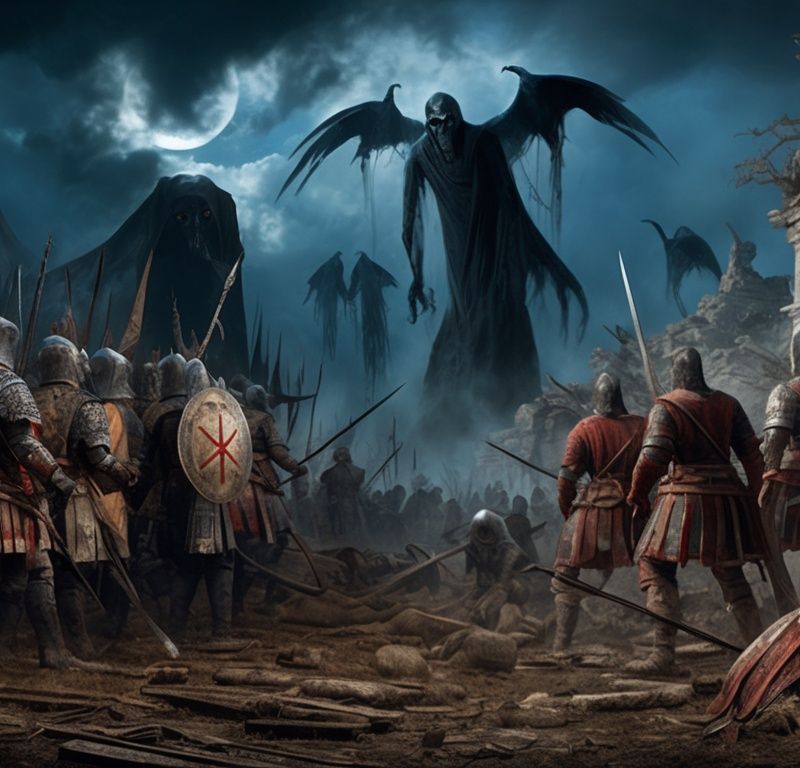 Valor Mortis: An Unconventional Clash of History and Dark Fantasy Valor Mortis emerges as an ambitious and unconventional experience that reimagines familiar genre tropes with an audacious blend of historical twists and fantastical combat. It invites players to explore a warped version of a Napoleonic-era battlefield where magic and melee intertwine in unexpected ways. As you step into the role of a relentless soldier with supernatural abilities, every encounter feels like a blend of elegant swordplay, precise spellcasting, and tactical firearm usage. The game challenges conventional design norms by merging the visceral intensity of soulslike encounters with quirky, imaginative mechanics and a strikingly unusual setting that continuously surprises and provokes reflection on both narrative and gameplay innovation.
Innovative Combat Fusion in a Historical Realm
Valor Mortis introduces a distinctive combat system that merges the precision and grace of swordfighting with the dynamism of ranged firearms and potent magical abilities. In this alternate Napoleonic era, players command a protagonist with a corrupted left hand radiating supernatural energy, allowing for a seamless interplay between physical and magical assaults. The combat design encourages fluid transitions, permitting players to switch from parries and dodges to explosive ranged techniques. The variety of options stimulates a deep engagement with the game’s mechanics, inviting tactical experimentation and creative strategies. The rhythmic cadence of duels, combined with the tense build-up before executing perfectly timed counterattacks, forms the core of an experience that is as cerebral as it is physically demanding.
Creative Weaponry and Supernatural Powers
The game presents an arsenal that is both broad and customizable, enabling players to shape their combat style to personal preferences. With three distinct melee options, a trio of ranged firearms, and an equal number of magical abilities, the system is designed to reward versatility. Each weapon and power branch comes equipped with its own upgrade tree, paving the way for in-depth character personalization. For instance, enhancing a fiery ability may lead to enemy explosions when impacted by subsequent attacks, while refining melee techniques can grant advantages when seamlessly linking evasive maneuvers with lethal strikes. This multiplicity of attack modes not only enriches gameplay while also shaping the overall experience of mastery and progression as each battle is approached as a unique tactical puzzle.
Explorations of a Twisted Napoleonic World
Valor Mortis situates its narrative in an alternate historical timeline where Napoleon’s tactical genius has reshaped reality, merging familiar military motifs with surreal and eerie landscapes. This setting, evoking elements reminiscent of BioShock aesthetics, subverts conventional battlefields with abstract and unsettling imagery, like harbors suspended in mid-air or war-torn vistas littered with surreal remnants. The atmosphere is rendered with surprising detail, imbuing each level with its own personality and sense of melancholy, while also embracing moments of absurdity. This unpredictable backdrop not only heightens the immersion but also reinforces the notion that traditional storytelling can be reinterpreted in visually arresting ways, pushing players to reevaluate their expectations of history and destiny in digital worlds.
Dynamic Platforming and Movement Challenges
The game attempts to blend intense combat with platforming sequences that test players’ agility and timing. Drawing inspiration from high-octane titles, players can experience wall-running, grappling, and the creation of makeshift platforms using supernatural abilities. These segments reward precision and exploration yet occasionally falter due to technical inconsistencies. Despite the ambition underlying these maneuvers, the platforming elements sometimes feel secondary to the core combat experience, resulting in moments where the mechanics betray their intended fluidity. Nonetheless, when executed correctly, the movement sequences stand out as exhilarating interludes that break the monotony of enemy encounters and provide a refreshing change of pace amid the relentless battles and intricate level designs that define the overall journey.
Explosive Encounters and Tactical Engagements
In Valor Mortis, combat scenarios are designed as intricate puzzles where timing, precision, and a deep understanding of enemy patterns become essential. Battles often require players to exploit environmental elements, such as igniting flammable objects or creating distractions that unveil strategic openings. Much of the excitement lies in orchestrating combinations where melee skills, ranged attacks, and magical powers converge to create powerful synergies. However, there are moments when the aggressive behaviors of adversaries can seem misdirected or overly simplistic, leading to repetitive sequences. Even so, these tactical engagements remain engaging as they prompt players to refine their approach and explore alternative strategies, transforming each encounter into a test of readiness and adaptability within an environment that constantly challenges traditional combat paradigms.
Refined Customization and Personal Playstyle
A notable feature of Valor Mortis is its deep customization system, which allows players to tailor their character’s abilities to better suit their preferred combat style. The upgrade trees for melee, firearms, and magic unveil numerous pathways that can alter gameplay dynamics significantly. In addition, an intricate system of perks and modifiers—referred to as Ambers—offers additional layers of strategic depth. Players can choose from options that enhance offense, bolster defense, or influence recovery rates, fostering a personalized blend that rewards careful planning. This robust customization framework encourages repeated playthroughs, as experimenting with different builds can reveal fresh tactical advantages and nuanced approaches to familiar challenges, thereby keeping the game experience feeling rewarding and varied throughout its progression.
Meticulous Detailing in Level Design and Aesthetics
Every corner of Valor Mortis’s environment exudes an eerie charm that is a testament to the developers’ commitment to world-building. Levels range from devastated battlefields littered with historical relics to unconventional realms where nature and supernatural elements intertwine. The landscapes are meticulously constructed, featuring ruined cities, floating harbors, and subterranean lairs that evoke a profound sense of desolation and wonder. The game’s art direction plays with contrasts—melding the grim realism of war with the fantastical elements of magic and mutated powers. This attention to aesthetic detail not only enhances the atmosphere but also serves a narrative purpose, as exploring these environments offers subtle hints about the broader lore and the chaotic forces that have permanently altered the world’s fabric.
Challenging Encounters Amidst Technical Hurdles
Despite its creative ambitions, Valor Mortis is not without technical quirks. Alongside its rich and multifaceted design, players may encounter glitches that undermine the overall fluidity of play. There are instances of collision detection issues, intermittent crashes, and unexpected environmental oversights that momentarily clash with the immersive experience. These technical setbacks can disrupt the delicate balance of intense combat and exploration, forcing players to adapt to unforeseen challenges. The game’s structure suggests that while innovation is at the forefront of its design, it sometimes struggles with the execution of these groundbreaking ideas. Nevertheless, these moments serve as reminders of the experimental nature of the project—an earnest attempt to push boundaries even when the underlying technology has yet to catch up with the ambitious vision.
Boss Encounters and the Art of Anticipation
Unlike many traditional soulslike titles known for epic boss battles, Valor Mortis takes a more nuanced approach to its standout adversaries. Boss encounters, while occasionally designed to provoke tension and measured responses, tend to rely on predictable telegraphed attacks that invite methodical counterplay. The scarcity of these monumental clashes means that players spend more time engaging with regular enemies and environmental hazards rather than preparing for epic showdowns. When bosses do appear, they often feel like heightened versions of standard foes rather than unique strategic challenges. This design choice places greater emphasis on the cumulative challenge of the journey, ensuring that even the most mundane encounter is laced with the potential for surprise and rapid tactical shifts, keeping the experience consistently engaging despite the less-than-memorable nature of these specific battles.
Intertwining Historical Context with Dark Fantasy
At its heart, Valor Mortis is a fusion of historical narrative and dark fantasy, where the familiar past is recast in a grotesque and enigmatic light. The game’s protagonist, a soldier in an alternate version of Napoleon’s army, serves as a conduit between the brutally realistic and the fantastically surreal. This blend of genres is evident not only in the dialogue and narrative snippets scattered throughout the levels but also in the environmental storytelling that gradually reveals an underlying chronicle of war, mysticism, and decay. The storyline touches on universal themes such as the ravages of conflict and the inherent paradoxes of power and mortality. The narrative threads are woven subtly into the game’s fabric, building intrigue without overwhelming the innate mystery that defines the setting.
Adaptive Strategy in a Multifaceted Battlefield
Valor Mortis is structured to accommodate a variety of combat approaches, inviting players to experiment with different strategies in the heat of battle. The interplay between the protagonist’s melee prowess, ranged skills, and supernatural abilities creates a layered combat system that rewards adaptability. As players traverse the hostile landscapes, they are encouraged to shift tactics Based on the enemy's inherent characteristics and… the intricacies of the environment. For instance, using long-range capabilities to disrupt enemy lines before closing in for a direct confrontation is one viable method, while another caters to precise hits with magical enhancements. This flexibility ensures that players are not confined to one repetitive cycle of engagement but instead must remain alert and strategically responsive, making each encounter a fresh challenge that tests both reflexes and thoughtful planning.
-
- Mariana Rocha 19 Oct 2026
-
-
 Netflix's Bold Restructuring: Streamlining Operations for a Global Entertainment Future Netflix has recently undergone a substantial restructuring, reducing its total workforce by more than 1,000 employees—approximately 6% of its staff. This move represents the largest adjustment in staffing to date, focusing primarily on streamlining certain operational areas.
The recent changes will mostly impact internal departments Spanning, though not exclusively limited to, the areas mentioned below:
Product development
Technology operations
Legal support
Human resources
Company leaders have outlined that the ambition to entertain a global audience requires difficult but necessary decisions regarding where to allocate talent and resources. They stressed that even with a strong and expanding business, concentrating investments in high-priority sectors is essential to enhance service quality, drive growth, and foster innovation. This strategic focus is intended to benefit subscribers, partners, employees, and investors alike.
Despite a portfolio of popular exclusive titles, Netflix has faced challenges in meeting the evolving demands of its audience. Some industry observers believe that the service has occasionally favored volume over the meticulous quality that viewers expect. To counterbalance these issues, Netflix has negotiated an arrangement with a rival streaming platform to license select programming.
Under this new partnership, Netflix will offer a blend of classic favorites alongside currently trending television series to its 325 million subscribers. The provider has recently rolled out its streaming schedule featuring a literary miniseries, a production headed by a well-known actor, and a show featuring a dramatic encounter with a mysterious sea creature. Additionally, Devoted fans are eagerly anticipating the imminent launch of a second season for one of its acclaimed anime series in the near future.
The company has also been experimenting with expanding its services into the gaming sector as a means to further engage its audience. An extended preview for a highly anticipated video game generated significant buzz, racking up tens of millions of "views accumulated during its debut week of release".
Earlier in the year, Netflix introduced a game revolving around a globally celebrated sporting event, though not long after its launch the developer behind this interactive experience reduced its team size considerably. Critics of the game have highlighted various flaws, including issues with controls, graphics, artificial intelligence, and overall execution.
More recently in March, the platform implemented another price adjustment for its subscription service. A company representative later noted that there was no additional commentary available beyond the internal memo addressing these workforce changes.
-
- Ava Martinez 19 Oct 2026
-
-
 Project Hadar: Charting a Bold New Course in Immersive RPG Development This announcement brings exciting news about a new project from the renowned Polish developer famous for its immersive role-playing franchises. The studio has reached a major milestone by finalizing the conceptual design for a new intellectual property and has started turning those ideas into a playable experience.
The creative phase for the latest game, known internally as Project Hadar, has concluded, marking the transition toward actual game development. The company described this project as their most ambitious endeavor yet, acknowledging that several years of conceptual work have led to a clear vision for a unique game world and its essential features. Although work on the game has begun, the project has has not advanced to the pre-production stage.
Earlier this year, the developer expanded its team dedicated to Project Hadar. Initial recruitment efforts brought together more than 30 talent members, with plans to grow the group to around 50 by the end of the year. A recent job announcement for a senior engineering role hinted at an immersive, open-world approach that promises to deliver an emotional and expansive gaming experience.
In addition to Project Hadar, the studio is juggling several other large-scale projects. These include the long-anticipated next installment of their acclaimed role-playing series, expected to debut in 2028, and a significant new expansion for their popular open-world adventure, which will focus on key characters and serve as a bridge to future titles. The follow-up to their well-known cyberpunk saga is also in the pipeline. The company has shared plans to roll out a trilogy for its role-playing series over six years, with subsequent entries scheduled in the early 2030s.
While many details of Project Hadar remain under wraps, it is clear that the game is being designed to support a vast and intricate role-playing experience. Fans eagerly await further insights into the new world that the talented team is shaping, hoping that it will offer fresh adventures and unforgettable narrative moments.
Project Hadar reached its conceptual milestone with a complete vision for its game world.
The development team is expanding, with plans to increase staffing significantly during the year.
Other major projects include the next role-playing installment, a fresh expansion for a beloved open-world title, and a sequel to a popular cyberpunk game.
Future plans for the flagship franchise include a multi-part series extending into the early 2030s.
Additional content related to the developer includes a forthcoming animated series debuting on a major streaming platform later this month and a recent remaster of a celebrated open-world game. The remaster, released across consoles and PC, received some initial technical feedback that was swiftly addressed by the studio.
-
- Ava Martinez 19 Oct 2026
-